Two hours
Around two hours: La Esperanza market, cathedral exterior, Plaza Porticada, Pereda Gardens, Centro Botín exterior and a stretch of waterfront. Excludes museum interiors, La Magdalena and El Sardinero.

WHAT TO SEE AND HOW TO PLAN
A city best understood by looking towards its bay: heritage, markets, art and waterfront walks. Explore the centre first; the Maritime Museum extends the walk eastwards. La Magdalena and El Sardinero are separate outings. Coordinates are approximate; accessibility has not been audited.
Durations are indicative: queues and all indoor visits are not included.
Around two hours: La Esperanza market, cathedral exterior, Plaza Porticada, Pereda Gardens, Centro Botín exterior and a stretch of waterfront. Excludes museum interiors, La Magdalena and El Sardinero.
Spend the morning in the centre and market. After lunch, choose Centro Botín or the Maritime Museum with proper visiting time. Finish by the bay rather than adding every interior and beach.
Day one: centre, bay and your chosen museum. Day two: La Magdalena outing and El Sardinero walk, with transport and breaks arranged. Cabo Mayor lighthouse requires an additional extension, not included here.
Pereda Gardens and a short waterfront stretch, with breaks. Choose the Maritime Museum according to interests and access, or La Magdalena peninsula as a separate outing. Eight stops should not become an obligation.
Check opening arrangements and combine one museum with the market and lunch in the centre. Shorten exposed waterfront stretches. Postpone La Magdalena and El Sardinero if wind or rain makes walking uncomfortable.
OpenStreetMap loads on request. Markers are indicative, not audited entrances. Use links for street directions.
Audio uses your device voice and depends on your browser. The full text is always available to read.
1 / 8 · SANTANDER
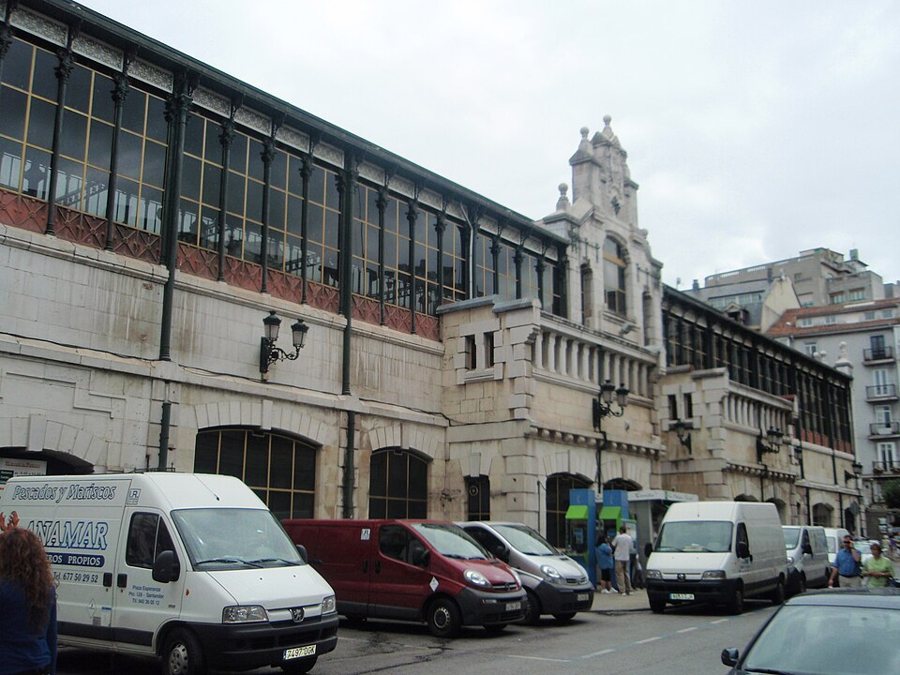
Behind the Town Hall, La Esperanza market introduces everyday Santander. Opened in 1904, it combines stone, iron and glass: notice how this structure covers a large trading space without making it feel like a dark hall. Fish and shellfish occupy the ground floor, with other foods upstairs. Rather than simply compiling a shopping list, observe the relationship between the city and the produce reaching its tables. Activity varies with the day and time. Walk through without blocking stalls and ask before photographing traders or customers. Afterwards, continue down towards the cathedral and the city's waterfront.
Explanation source ↗2 / 8 · SANTANDER
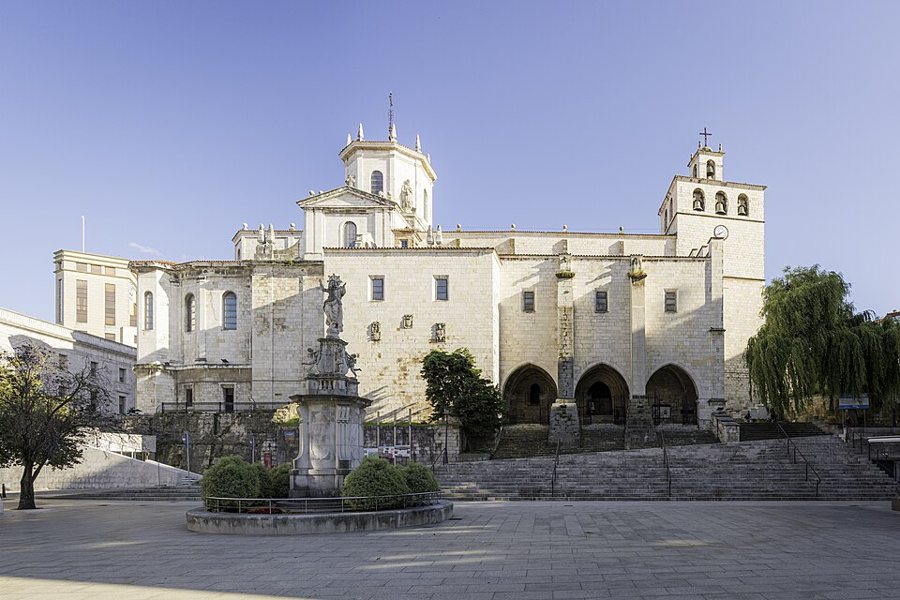
The cathedral offers a key to imagining Santander before its major urban expansion. Its complex includes the lower Church of El Cristo, the upper church and the cloister. Look at the solid volumes and their raised position above the surroundings: this is a place to pause rather than rush past. Seeing the exterior is not the same as visiting the whole ensemble; interior spaces have their own admission arrangements. If worship is taking place, respect the quiet and leave room for worshippers. Afterwards, compare this architecture with the streets leading towards the bay and consider how often the city has changed.
Explanation source ↗3 / 8 · SANTANDER
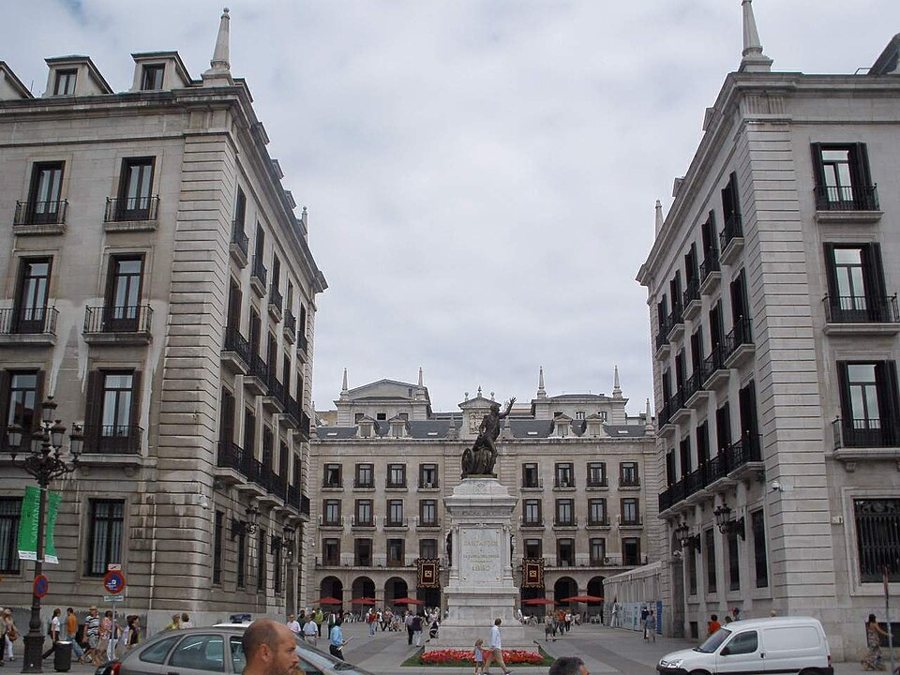
In Plaza Porticada, also known as Plaza de Velarde, the pace of the walk changes. Arcades organise the façades and create a space that feels like an open-air room for the city. This setting recalls Santander's rebuilding after the fire of 1941, as well as its cultural life and everyday gatherings. Walk along one side beneath the arches, then look again from the middle: a few steps change the perspective. Do not assume a concert will be taking place or archaeological spaces will be open; these depend on programming and admission. Continue afterwards towards the Pereda Gardens and the bay.
Explanation source ↗4 / 8 · SANTANDER
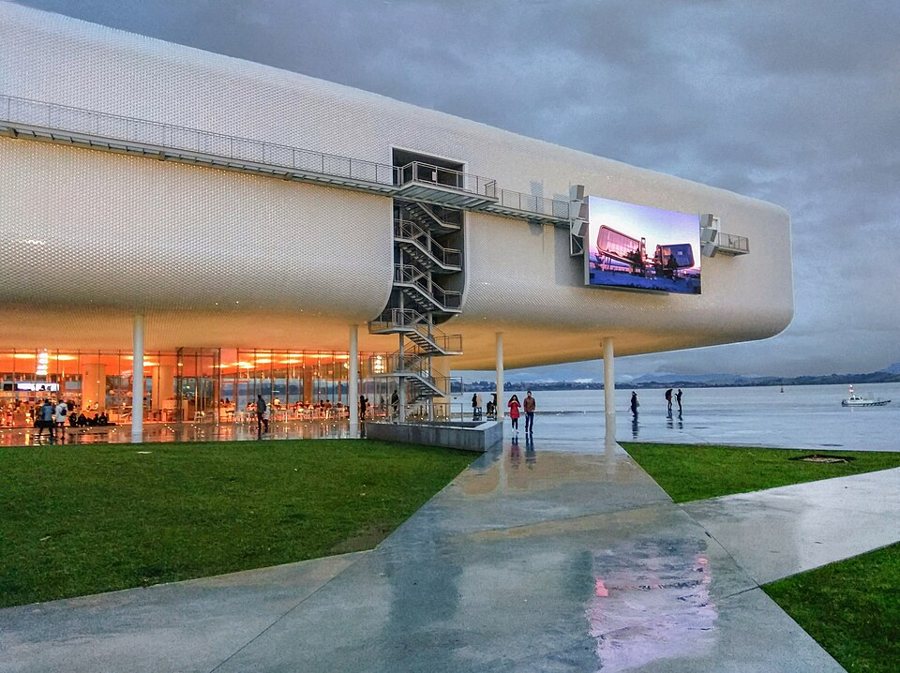
Centro Botín connects art, gardens and bay through architecture that appears to hover above the water. Renzo Piano, working with luis vidal plus architects, designed this art centre around lightness and continuity with public space. Observe its volumes from different points in the Pereda Gardens: light and horizon alter the impression of the building. Its interest extends beyond exhibitions; the surroundings reveal how contemporary architecture can change the relationship between city and sea. Check the programme and admission conditions before entering galleries or activities. Walkways and terraces may have restrictions, so follow the venue's current signs and instructions.
Explanation source ↗5 / 8 · SANTANDER
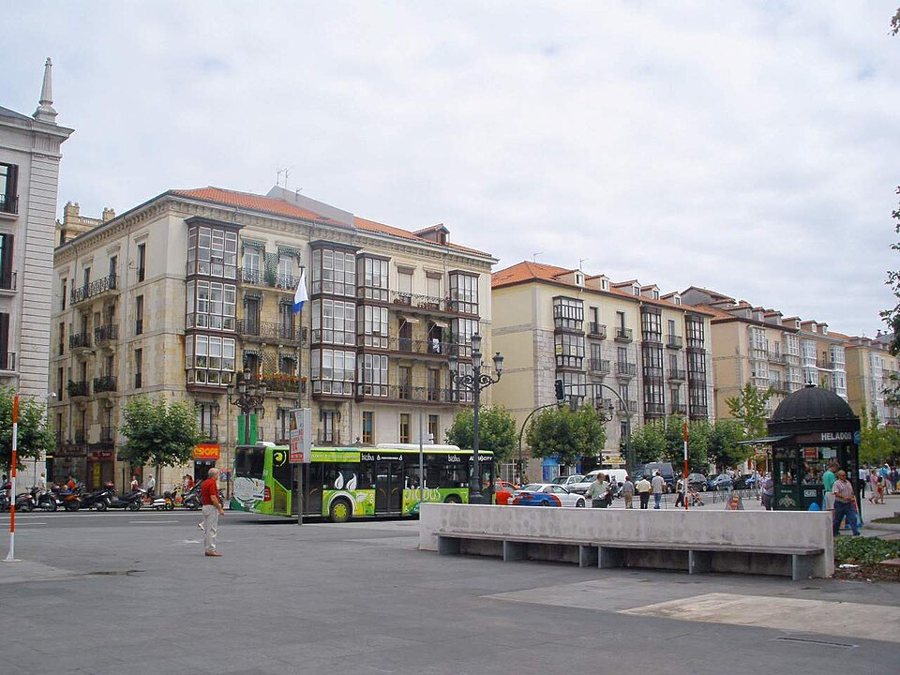
Walk with the bay on one side and the façades of Paseo de Pereda on the other. Here Santander becomes a city of quays, trade and movement. The Stone Crane recalls loading and unloading work, while the Palacete del Embarcadero preserves another element of the harbour landscape. You do not need to cover the whole waterfront to enjoy it: pause, watch the boats and compare the water with the buildings' lines. Stay in pedestrian areas and treat any boat trip as a separate activity requiring service and condition checks. From here, extend your day towards Puertochico or return to the centre.
Explanation source ↗6 / 8 · SANTANDER
Separate outing beyond the central walk
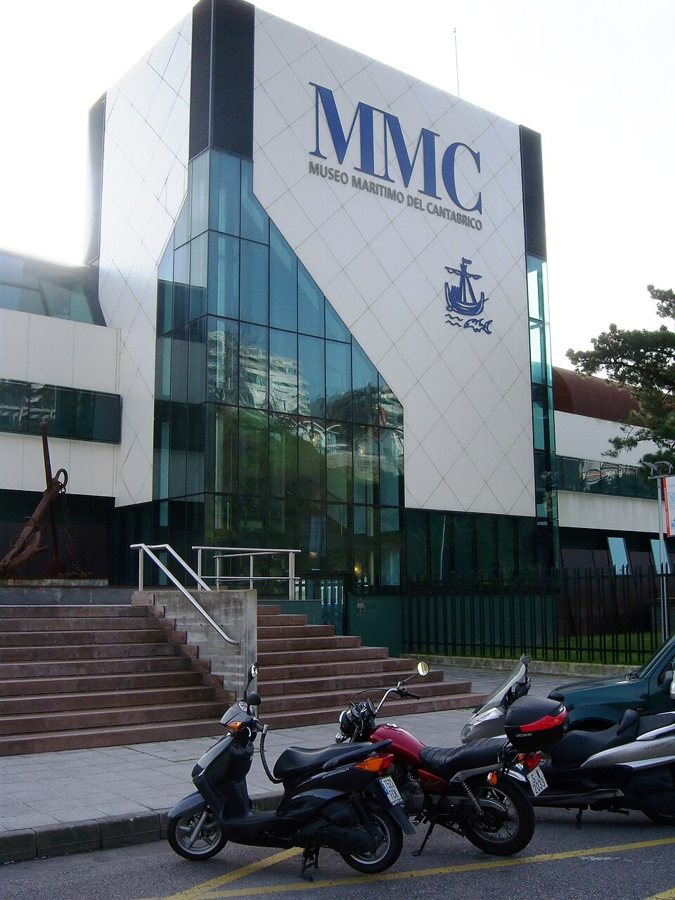
The Cantabrian Maritime Museum invites you to see the sea as more than scenery. Its collections bring together marine life, fishing, history and technology: behind an attractive bay lie work, knowledge and ways of living. The aquarium adds another scale to the visit, allowing you to pause before species usually hidden beneath the water. Treat this as a visit in its own right rather than a quick stop between monuments, and allow time for the galleries. It lies east of the centre, extending the walk towards Los Peligros. Check admission, opening arrangements and fares beforehand, and consult urban transport for your return.
Explanation source ↗7 / 8 · SANTANDER
Separate outing beyond the central walk
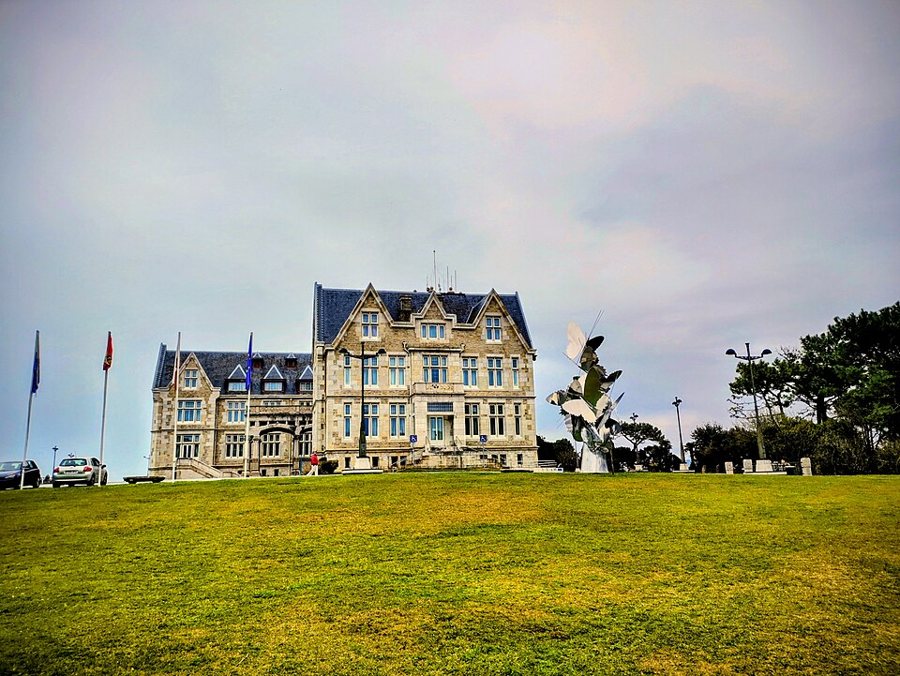
La Magdalena deserves an outing of its own; it is not a short detour from the centre. Built in the early twentieth century through a municipal initiative as a summer residence for Alfonso XIII and Victoria Eugenia, the palace occupies the peninsula's upper ground. First notice its position among trees, sea and slopes: the landscape belongs to its image. After its royal period, the building has served university and municipal purposes. A walk around the peninsula does not include palace admission, so check interior visits separately. Plan transport and your return, allow time to rest, and adapt the walk to wind and rain.
Explanation source ↗8 / 8 · SANTANDER
Separate outing beyond the central walk
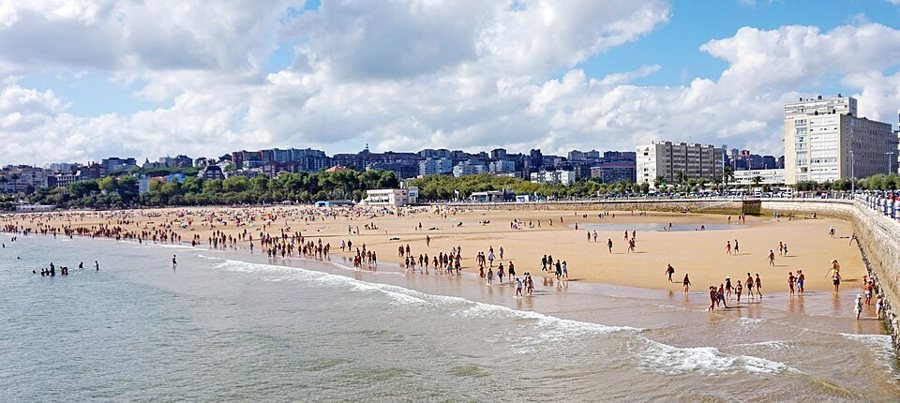
El Sardinero exchanges the sheltered bay for a more open view of the Cantabrian Sea. Its beaches and promenades recall Santander's development as a summer destination. The Piquío Gardens overlook the division between the two main beaches and invite a pause instead of a race through the day. Notice how light, tide and wind transform the same landscape. Give this area separate time or take transport from the centre; it is not part of the short walk. For swimming, follow current signs and safety instructions. The coastal walk can continue, but decide how far to go before tiring and organise your return.
Explanation source ↗Río de la Pila 5, Santander
Riojan cooking traditions and seasonal produce in the centre, with a wine cellar connected to the restaurant's history. Check the menu and book directly.
Official website ↗ · Walking directions ↗Gómez Oreña 15, Plaza Cañadío, Santander
An option around Cañadío for a food stop. Select the Santander restaurant rather than the Madrid establishment, and check the current menu and availability.
Official website ↗ · Walking directions ↗Casimiro Sáinz 15, Santander
A Santander restaurant dating from 1935, near Puertochico. An option for a leisurely meal after the waterfront walk; check its menu and book directly.
Official website ↗ · Walking directions ↗Editorial selection based on the venues’ own websites, not a personal dining review or sponsorship. Check opening, menus, allergens and prices before visiting.
Check final prices, tour language and availability on Civitatis. Optional paid activities; affiliate links may earn a commission.
See activities in Santander ↗Seve Ballesteros-Santander Airport lies outside the city. Aena lists a connection to the bus station; check the timetable and fare for your date. Use TUS for urban buses and Renfe for trains. The centre makes a compact walk, while the Maritime Museum, La Magdalena and El Sardinero add distance. Plan your return. Markers are approximate and the route has not been audited for accessibility.
Emergencies: 112. For non-urgent medical assistance, consult local services.