Understand Úbeda through its great Renaissance square, market streets, charitable architecture and pottery workshops. Eight stops compare neighbouring buildings without confusing their uses or access. Alternate a chosen interior with walking and breaks; Baeza, Sabiote and Jaén remain separate outings.
Read the square as a whole, then Salvador, Deán Ortega, Santa María and Cadenas. Adapt the order to booked admission. Keep palaces as exterior stops without assumed open courtyards; a church visit deserves dedicated time.
Begin at San Pablo, descend to Paco Tito's pottery area, then allow another leg to Hospital de Santiago. The last building lies beyond the commercial centre, so rest or eat between them. Match interiors to confirmed access.
Compare another Renaissance town without merging it with Úbeda. Santa María, its fountain and old university reveal another layout and Machado theme. Organise Baeza admissions separately rather than transferring Úbeda tickets.
Check actual Úbeda-Baeza service, stops and return for your date. Add terminal-to-centre travel; proximity guarantees no departure at any hour.
The castle extends the Vandelvira and Francisco de los Cobos story through a fortress transformed into a Renaissance residence. Explore the village and confirm admission; reaching its façade does not open every room.
Arrange road travel both ways. For buses check current services and changes without assuming a frequent direct Úbeda connection.
Allow another day for Jaén Cathedral and centre, comparing scale with Úbeda's buildings. Choose confirmed interiors; adding castle and Arab Baths requires more travel and time.
Alsa lists provincial Úbeda connections: search your date and final return. Add Jaén station-to-centre travel rather than old timetables.
Compare balconies and heraldry, then ask what a pottery vessel was used for. Workshops depend on programme and age rather than museum entry alone. Allow meals and rest. Cantina La Estación separates zones and its carriage excludes children under ten.
In the rain
Choose confirmed Salvador or Santa María and pottery museum visits with a meal between. Do not rely on Cadenas or every Hospital space being open: specific programming and works notices need checking. Squares remain outdoors.
What to try and where to pause
Match the meal to your current area and reserved space. Antique separates restaurant and tapas menus; Cantina distinguishes cellar, carriage and seasonal terrace. Check allergens and current offer without old prices or promised dishes. An unhurried meal helps divide travel.
Sources for this update
Turismo Baeza · Santa María y núcleo monumental
Turismo Baeza · antigua universidad
Diputación de Jaén · castillo de Sabiote
Diputación de Jaén · Jaén y su patrimonio
Renfe · estación Linares-Baeza
Choose your walk
Durations are indicative: queues and all indoor visits are not included.
Plan my route
Street map
OpenStreetMap loads on request. Markers are indicative, not audited entrances. Use links for street directions.
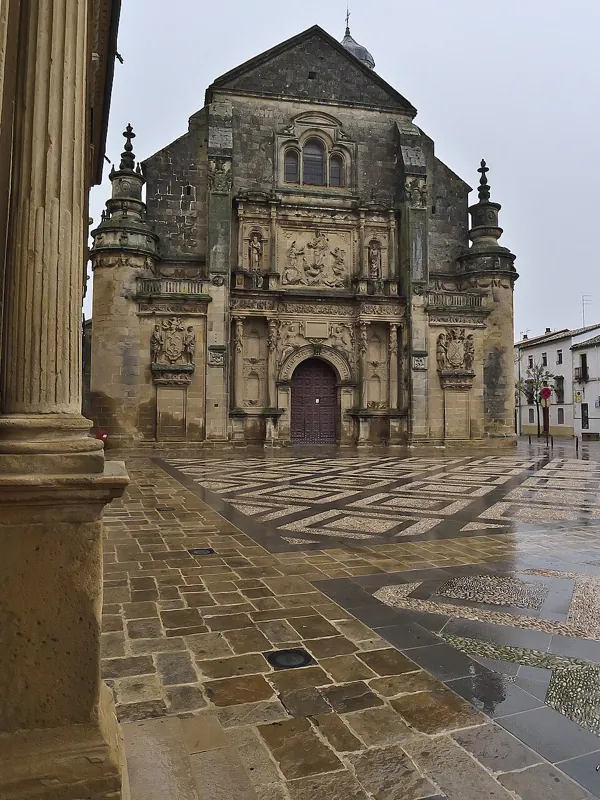
The Saviour Chapel combines devotion, funerary memory and displays of power. Conceived as the pantheon of Francisco de los Cobos and María de Mendoza, its architecture connects Diego de Siloé's designs with Andrés de Vandelvira's work. Begin with the façade from the square, following entrance, reliefs and volumes towards the doorway. Inside, when visiting is available, compare nave and sanctuary and understand the space before pursuing every decorative detail. Nearby Deán Ortega Palace helps reveal an environment associated with prestige and the foundation's administration. A cultural visit differs from worship: times, circulation and conditions may vary. Choose the confirmed visit product and leave room to view the whole ensemble outside as well.
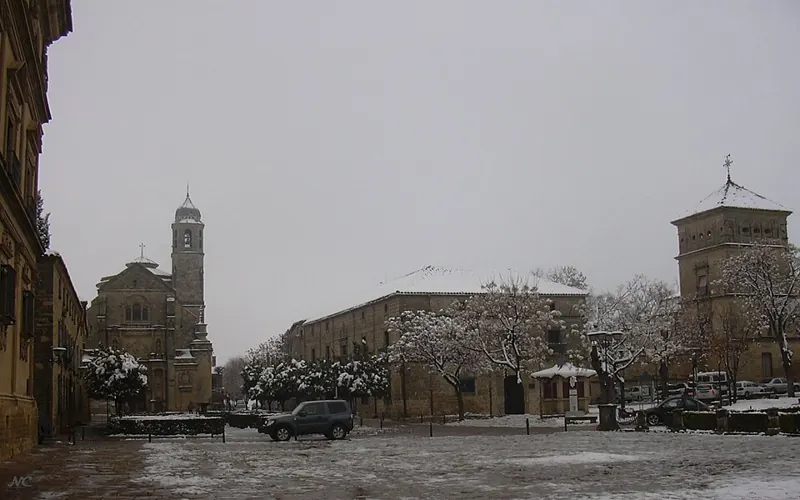
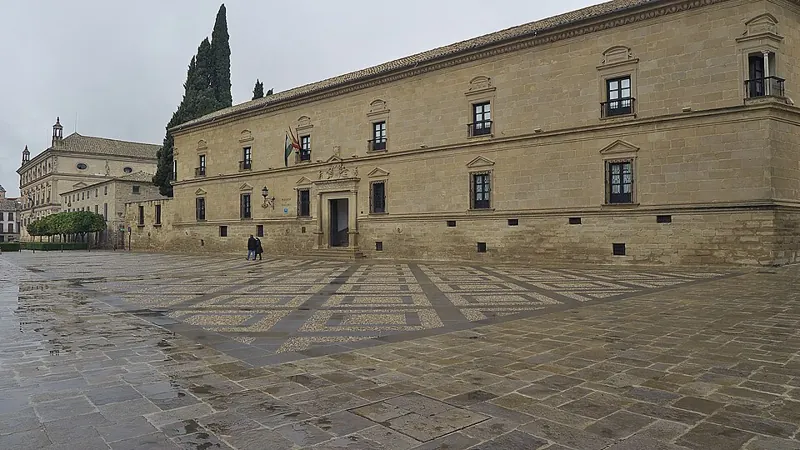
Vázquez de Molina Square deserves its own stop even though individual buildings appear elsewhere in this guide. Its interest lies in relationships: an open space brings religious architecture, noble residence and civic representation into one view. Start at an edge and watch façades change as you move rather than seeking one central photograph. The Saviour, Santa María and palaces differ in scale and function yet create a shared place. Fountain, trees and open ground contribute too. Arriving from a narrow street makes its breadth especially clear. Explore without committing to every interior, choose a visit afterwards and return to the ensemble with what you have learned. Public space is more than the interval between admissions.
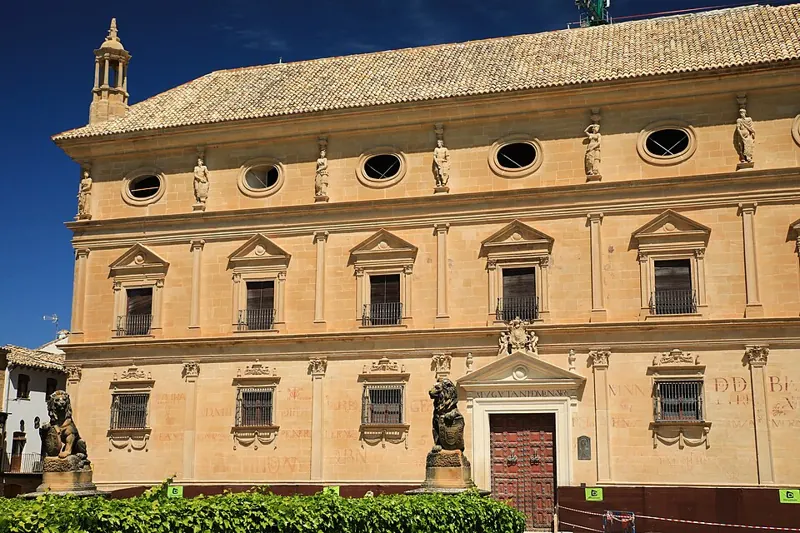
Las Cadenas shows how a façade turns a residence into a statement of authority. Built by Andrés de Vandelvira in the mid-sixteenth century, its three storeys organise openings for balance without mechanically repeating each level. Study columns, upper figures and the building's visual relationship with the open square. Change distance to understand proportions before concentrating on one coat of arms or balcony. The square provides this stop's principal viewpoint: municipal sources retain works notices, so no courtyard or open rooms are promised. Check current information before planning an interior. Afterwards compare Deán Ortega and ask how neighbouring palaces express prestige differently rather than reducing them to one Renaissance façade type.
Deán Ortega invites attention to residential architecture still in daily use. The sixteenth-century palace associated with Andrés de Vandelvira is now a Parador, combining heritage with hotel operation. Notice window rhythms and corner balconies before approaching the entrance. When viewing is allowed, the courtyard provides another scale, with slender columns and galleries organising the residence. This does not make bedrooms, upper floors or lounges public simply because the building is historic. Organise the stop from the square and respect guests and staff. Compare its volume with the nearby Saviour Chapel to understand domestic and religious architecture within one monumental setting. Coffee or a meal is arranged separately rather than automatically included in the walk.
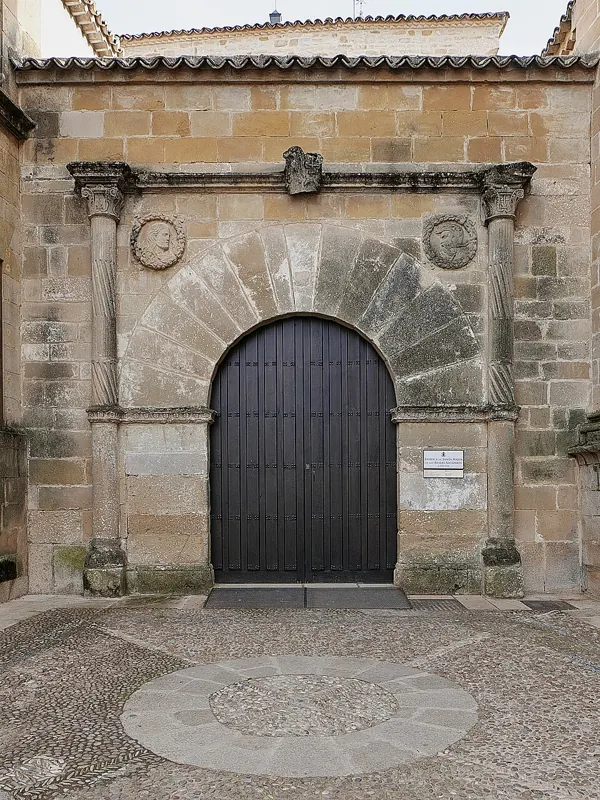
Santa María prevents an exclusively Renaissance picture of Úbeda. The church occupies the former main mosque's site and incorporates changes across many centuries. Examine the entrances, then compare their language with interior arches and spaces when visiting is allowed. Cloister and chapels show different ways of organising worship, memory and circulation. Pause at a grille to study its workmanship without turning every detail into an unverified attribution. Look back towards the square: Santa María shares a setting with later palaces but has different beginnings. Worship continues here, and tourist visits pause during services and may require separate admission. Confirm the current product before linking it with San Pablo, even where combined offers are advertised.
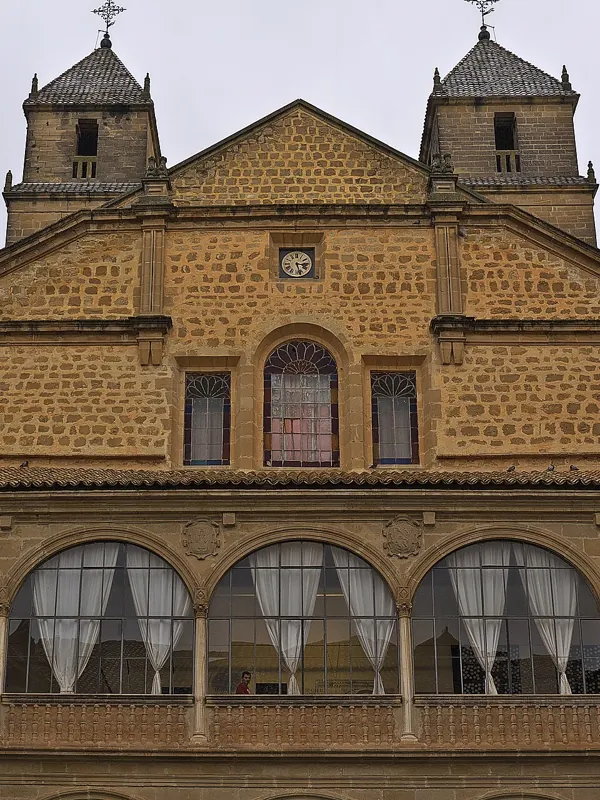
Hospital de Santiago extends Vandelvira's story beyond palaces and funerary chapels. Founded by Diego de los Cobos, it combined care, representation and religious space; hospital activity ended in 1975 and cultural functions followed. Examine façade and towers before focusing only on interiors. Its scale suggests that caring, accommodating and celebrating required a different architecture from a private home. Courtyards and staircase are important when access is confirmed, but full opening is not promised: municipal sources have reported works and later programming in particular areas. Check what operates on your date rather than interpreting a concert or exhibition as permission to explore everything. Add travel from Vázquez de Molina, since the building is outside that square.
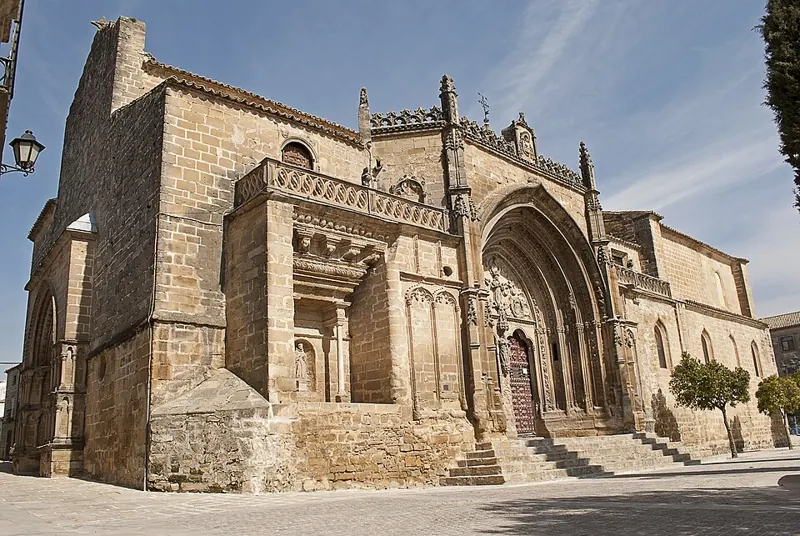
San Pablo shifts from noble monumental space to a square associated with markets and civic life. Medieval features and later alterations mean its entrances tell different stories rather than one pure style. Walk around the outside, comparing the main portal with the Carpenters' doorway before examining the attached fountain and public space. The Tabladillo recalls announcements and observation of events from religious architecture. This relationship with citizens matters as much as a construction date. Inside, study grilles and chapels along the authorised route, remembering worship and admission conditions can alter visiting. End with a few minutes seated in Primero de Mayo, observing monument, housing and daily activity without expecting a historical market to appear every day.
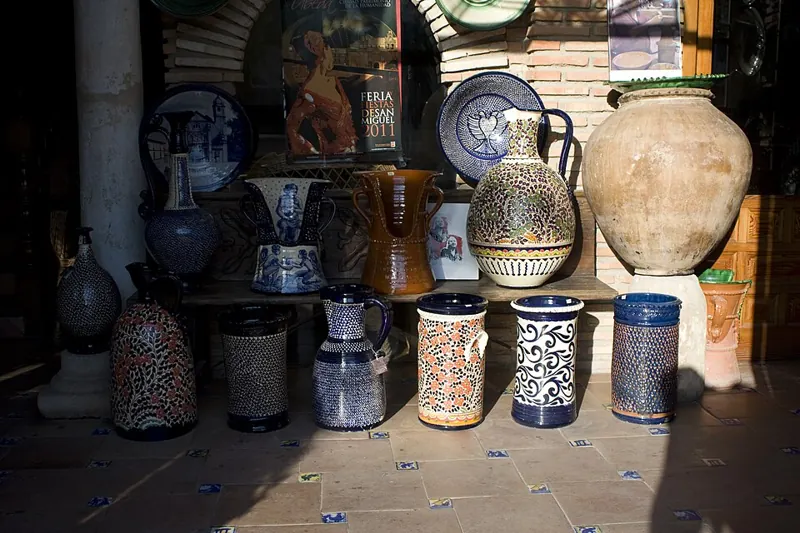
Pottery adds hands, tools and everyday uses to a town known for façades. Paco Tito Museum is in San Millán, on Calle Valencia, connecting a family tradition with Úbeda's potteries. Ask what an object did before judging decoration: storing, cooking, carrying and drawing water called for different shapes. Workshop spaces reveal that ceramics require more than a photogenic wheel. Drying, firing and material knowledge belong to the story too. The visit does not automatically include a demonstration or practical workshop; confirm the format and opening with the museum. Walking from San Pablo also reveals another pattern of streets and houses outside the principal square's grand Renaissance setting. Give this craft heritage its own time.
Historic-centre restaurant and tapas venue with separate menus on its own site. Confirm your dining space, format, current offer and allergens; a meal can fit between the monumental centre and Hospital de Santiago.
Restaurant with distinct zones. Its site limits the restaurant carriage to adults and children aged ten upwards, while the cellar area operates without reservations; confirm your group's suitable space and seasonal terrace opening.
Editorial selection based on the venues’ own websites, not a personal dining review or sponsorship. Check opening, menus, allergens and prices before visiting.
Optional activities, separate from the independent walk. Both listings advertise a Spanish-speaking guide; this page language does not change the activity language. The free tour operates on tips. The guided tour advertises admission to the Saviour Chapel and Vela de los Cobos Palace, with possible access changes; confirm inclusions and your chosen option. Check dates, meeting point, conditions and mobility needs before booking. Affiliate links: we may earn a commission if you book. Checked on 21 October 2026.
Linares-Baeza railway station is outside Úbeda's historic centre. Check Renfe and arrange the road connection separately, including stop and return; no immediate transfer or direct train to the monuments is promised. Alsa lists provincial connections from Jaén towards Úbeda, Baeza and Linares: verify your actual date and origin. Bus-station arrival adds urban travel before the historic walk. Explore on foot with stone surfaces, crossings and gradients towards San Millán. Hospital de Santiago and the pottery museum are separate from the main square and need travel time. There is no metro. Check return transport for Baeza, Sabiote or Jaén without assumed frequencies. Markers indicate the area rather than audited entrances. Plan the road transfer from Linares-Baeza before arriving by train: the railway station is not Úbeda's historic centre. From the bus station add travel to accommodation or your starting point. Begin the two-hour walk in Vázquez de Molina and choose one confirmed interior admission.