Two hours
Around two hours: Foncalada, cathedral exterior, Fine Arts Museum exterior, El Fontán, University and the edge of Campo San Francisco. Suggested walk excluding interior visits.

WHAT TO SEE AND HOW TO PLAN
Discover Oviedo through pre-Romanesque heritage, old-town squares, museums and cider houses. This walking route covers the centre; Naranco is a separate outing. Markers are approximate and do not identify audited entrances.
Durations are indicative: queues and all indoor visits are not included.
Around two hours: Foncalada, cathedral exterior, Fine Arts Museum exterior, El Fontán, University and the edge of Campo San Francisco. Suggested walk excluding interior visits.
Morning at the cathedral and Archaeological Museum, subject to access; old-town lunch; afternoon at Fine Arts and University; rest in Campo San Francisco and a Gascona cider house.
Day one: historic centre and one museum. Day two: a separate Naranco outing with planned transport, returning for the other museum and a relaxed stroll.
Shorten the walk to the cathedral exterior, El Fontán and Campo San Francisco. Allow breaks and observation time; add one museum according to interests and visiting arrangements.
Combine Fine Arts and Archaeological Museum after checking opening arrangements. Add lunch and short old-town walks. Postpone Naranco if conditions make the outing unsuitable.
OpenStreetMap loads on request. Markers are indicative, not audited entrances. Use links for street directions.
Audio uses your device voice and depends on your browser. The full text is always available to read.
1 / 8 · OVIEDO
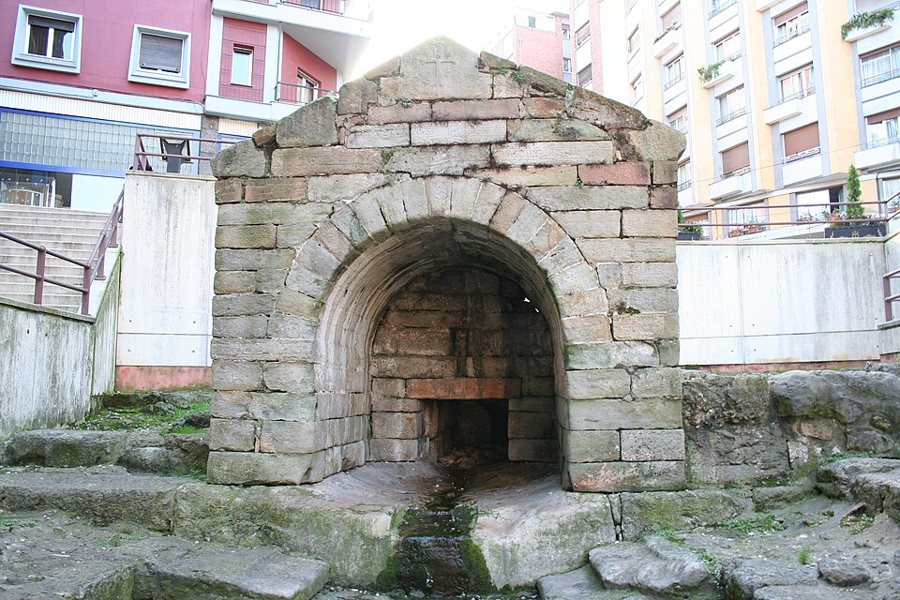
Look down: this small stone structure preserves an understanding of the city older than its shopping streets. La Foncalada is a pre-Romanesque fountain associated with the reign of Alfonso III. Its significance lies in something ordinary: water also belonged to the architecture of power. Notice the little roof, the arch and the cross carved above the entrance. An extraordinary trace of the kingdom of Asturias does not require a huge building. The fountain belongs to the heritage ensemble recognised by UNESCO. View it without entering the structure or approaching wet surfaces, then compare its scale with the cathedral.
Explanation source ↗2 / 8 · OVIEDO
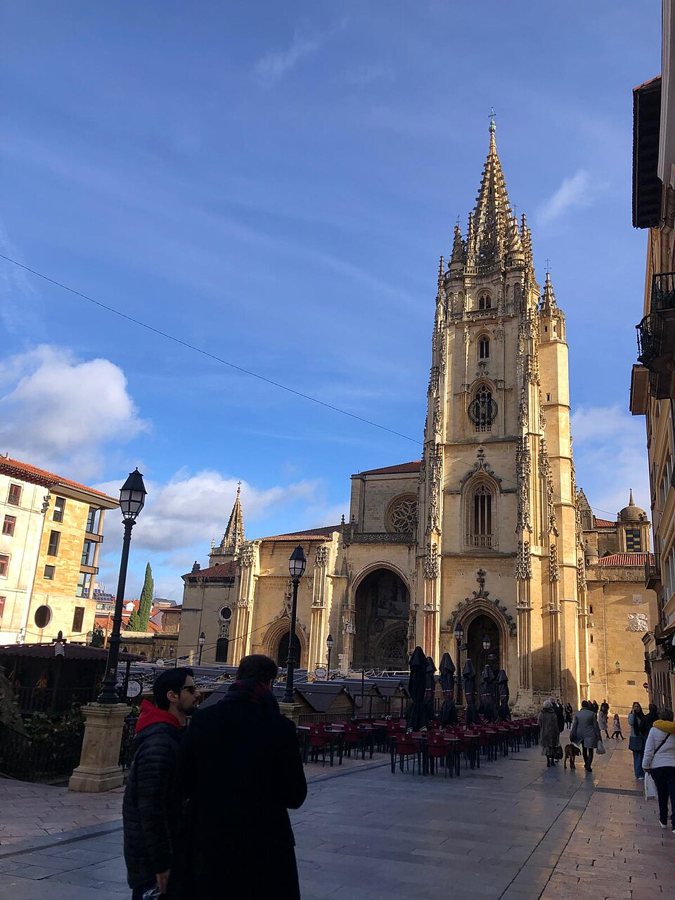
Pause in Plaza de Alfonso II el Casto and let your eyes follow the tower upwards. The cathedral displays the strength of Gothic architecture, but this place preserves an earlier history. Its Holy Chamber houses important objects from the Asturian kingdom, including the Cross of the Angels and the Victory Cross. They are religious objects and enduring symbols of Asturias. Outside, enjoy the façade and consider how the cathedral organises the old town around it. If you enter, allow separate time for the cloister and collections. Check admission arrangements beforehand and respect religious services and worshippers.
Explanation source ↗3 / 8 · OVIEDO
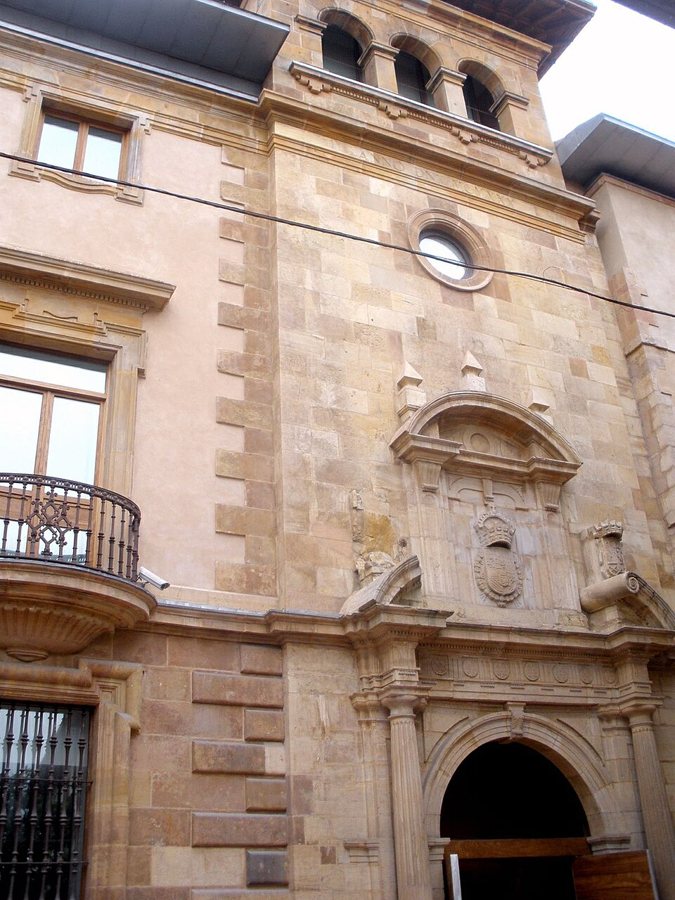
Behind the cathedral, Calle San Vicente provides a quieter pause. The Archaeological Museum occupies the former Benedictine monastery of San Vicente and changes the scale of the story, from one square to the whole Asturian territory. Its displays explore prehistory, the Iron Age, the Roman period and the medieval world. First observe the building and its relationship with the surrounding religious ensemble: the setting belongs to the story too. Inside, choose a period and explore it slowly. This is useful preparation for the pre-Romanesque monuments and a rewarding option on a rainy day. Check current visiting arrangements before entering.
Explanation source ↗4 / 8 · OVIEDO
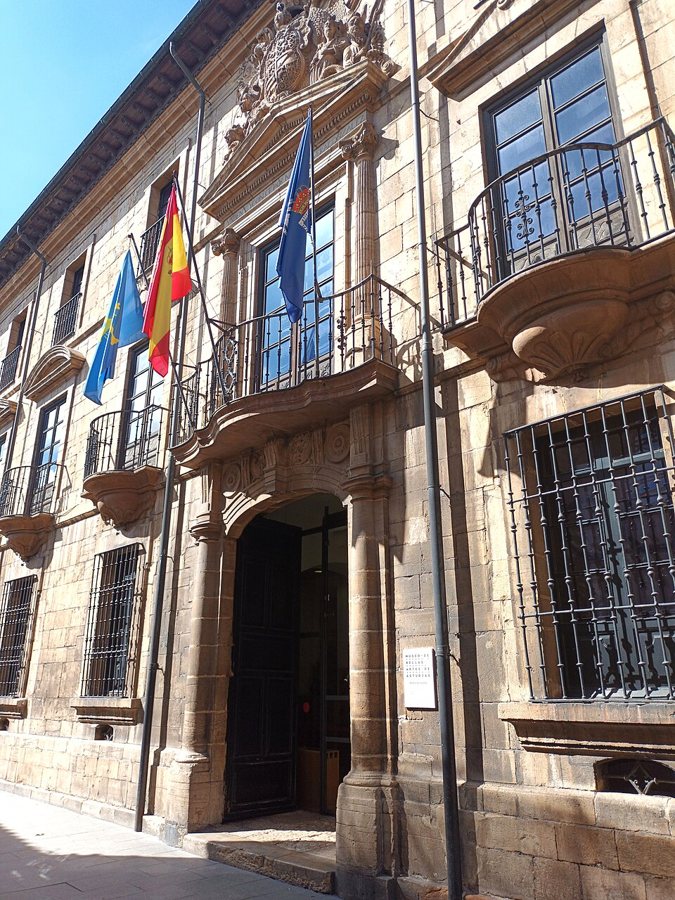
Around Santa Ana and La Rúa streets, the Fine Arts Museum invites you to see Oviedo through its buildings and artworks. The ensemble combines historic architecture, including the Velarde Palace, with a contemporary extension designed by Francisco Mangado. Observe that relationship from the street: the city belongs to several periods rather than just one. The collections span centuries and techniques, from painting and sculpture to applied arts. If you enter, choose a few rooms and enjoy them without turning the visit into a race. This also makes a good rainy-afternoon plan. Check the most suitable entrance and visiting conditions on the museum website.
Explanation source ↗5 / 8 · OVIEDO
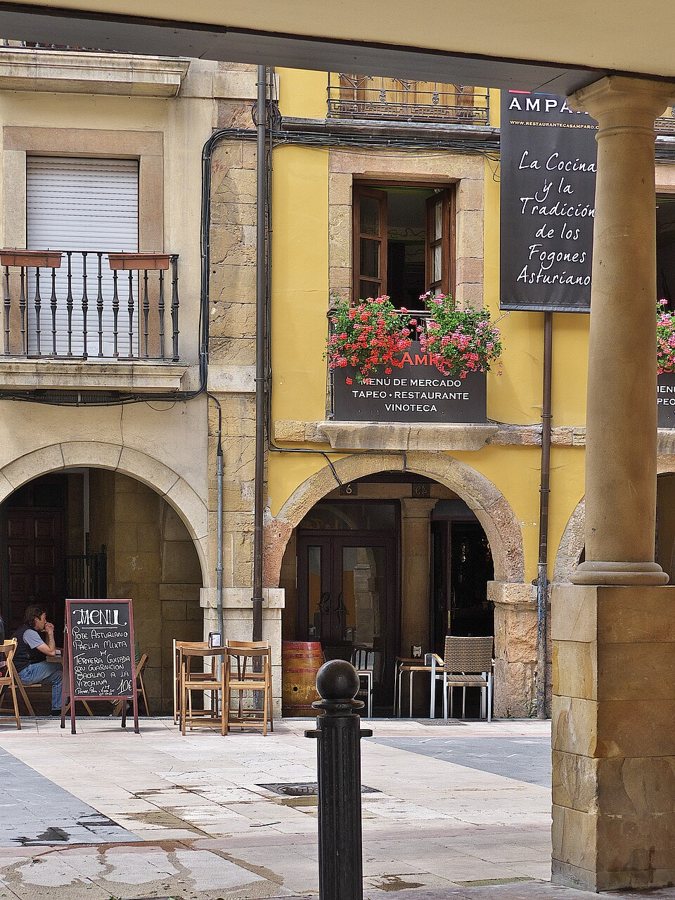
El Fontán invites you to look beyond monuments and notice everyday city life. Its arcades, the façades around the square and the covered market form an ensemble with a strong commercial character. Walk around the edges and see how the views change beneath the arches. Nearby stalls and shops sell food and Asturian products, with activity depending on the day and time. The square, the market building and the surrounding street markets are related but different spaces. Pause to discover ingredients that may later appear on an Asturian table. Ask permission before taking close photographs of traders or customers.
Explanation source ↗6 / 8 · OVIEDO
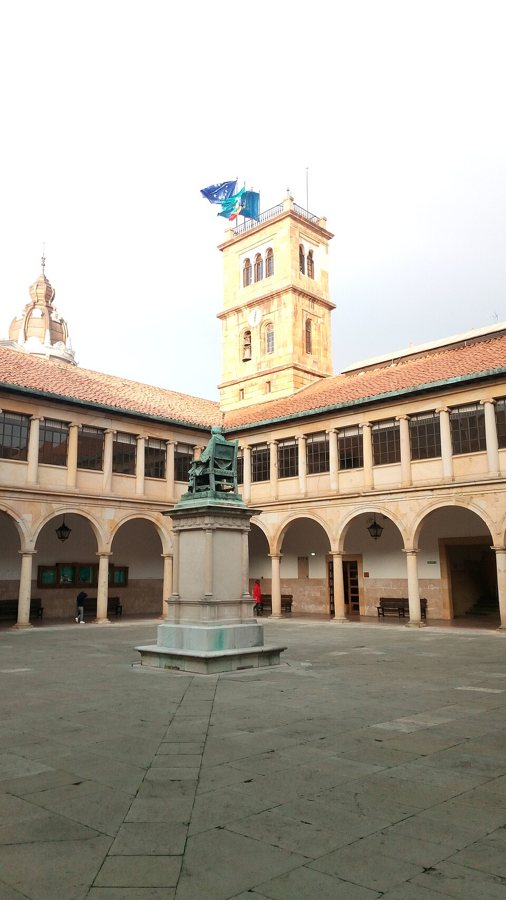
Calle San Francisco leads to a central part of Oviedo's identity: its university. The institution began teaching in 1608 and for more than three centuries its activities centred on this historic building. After the cathedral, consider another way of transforming a city: studying, teaching and sharing knowledge. Notice the restrained exterior and its relationship with the surrounding streets. The ensemble has experienced changes and destructive events, so its history also concerns rebuilding and continuity. If an entrance is open, confirm which areas visitors may access: this remains an institutional setting. Continue afterwards towards La Escandalera and Campo San Francisco.
Explanation source ↗7 / 8 · OVIEDO
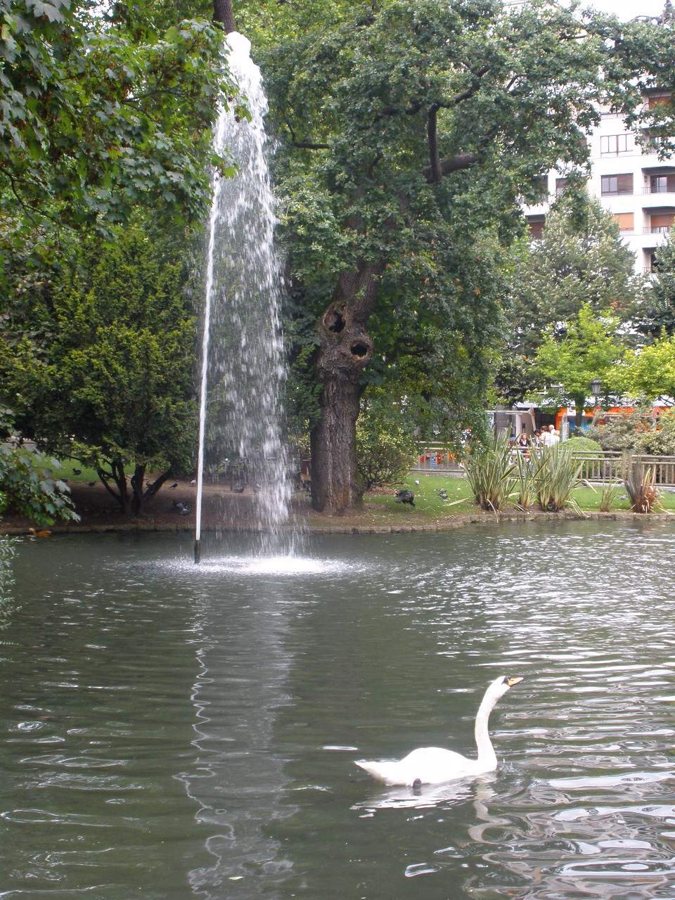
Campo San Francisco offers breathing space within the urban walk. This central park developed from land associated with the former Franciscan convent and combines broad promenades with winding paths. Rather than taking the shortest route across, wander among the trees and look for its monuments. The Romanesque doorway from the former church of San Isidoro shows how a garden can preserve fragments of vanished buildings. This is an everyday meeting place for reading and resting. With children, slow down and allow time to observe and play in appropriate areas. After rain, watch for wet ground. The shopping streets are easily reached from its edges.
Explanation source ↗8 / 8 · OVIEDO
Separate outing beyond the central walk
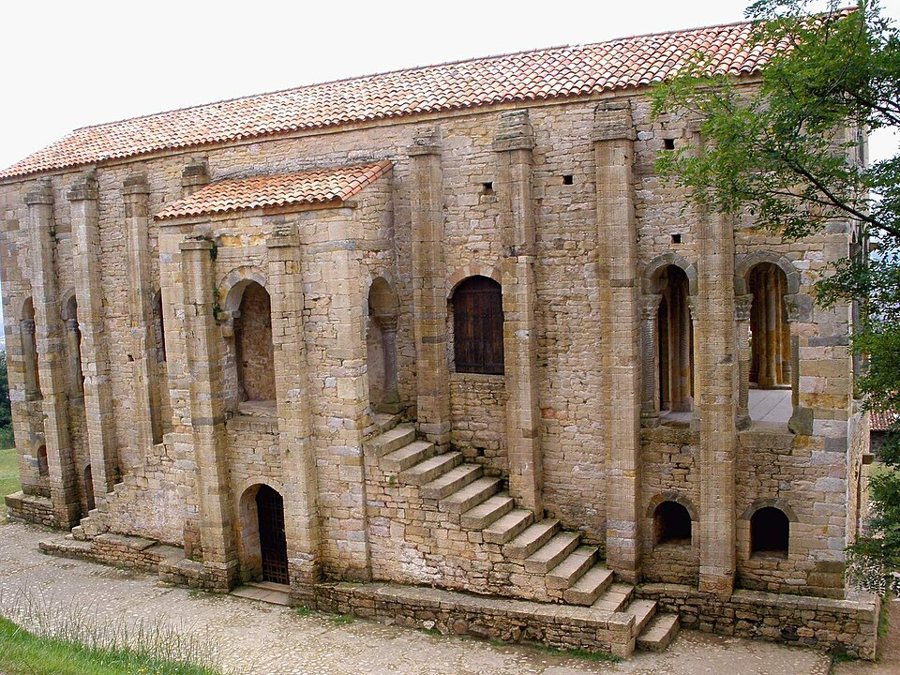
Santa María del Naranco is striking for both its elegance and its age. Associated with the palace complex of Ramiro I in the ninth century, the building features arcades that have become a recognisable image of Asturias. Observe its shape, viewing galleries and carved stone before approaching the interior. Nearby San Miguel de Lillo complements the outing. This visit lies outside the central walking route and needs separate time and transport; it is not a short detour. Check transport, weather and admission arrangements. Seeing the exterior does not guarantee entry, so confirm available visits and the route you can actually follow beforehand.
Explanation source ↗Carpio 19 / Oscura 20, Oviedo
Asturian cooking near the old town, with an Asturian cheese selection on its menu. A stop after El Fontán; check the menu, reservations and allergens directly.
Official website ↗ · Walking directions ↗San Francisco 8, Oviedo
A family restaurant founded in 1924, combining tradition and contemporary ideas with seasonal products. Near the University; check the menu and book directly.
Official website ↗ · Walking directions ↗Calle Gascona, Oviedo
An Asturian cider house near Foncalada and the cathedral. Consult the menu for the Gascona establishment: the group operates several different venues.
Official website ↗ · Walking directions ↗Editorial selection based on the venues’ own websites, not a personal dining review or sponsorship. Check opening, menus, allergens and prices before visiting.
Optional paid activities, separate from the free self-guided walk. Affiliate links: Ayuda Turística may earn a commission if you book. Civitatis confirms the final price, included or additional admission, language, conditions and availability. These activities advertise a Spanish-speaking guide: reading this page in English does not change the tour language. Images illustrate the monuments, not the service. Cathedral admission is extra on the Oviedo guided visit according to the checked listing. Reviewed 16 October 2026.
See all activities ↗Asturias Airport is outside Oviedo; Aena confirms Alsa services to the city. Check your date, timetable and fare. Use Renfe for trains and TUA for urban buses. Walk between old-town stops with care on wet paving. Naranco needs separate planning. Coordinates are approximate and this route has not been audited for accessibility.
Emergencies: 112. For non-urgent medical assistance, consult local services.