Two hours
Around two hours in Vegueta: Santa Ana exterior, Casa de Colón exterior, San Antonio Abad and historic streets. Add a Triana stretch if time allows; excludes full interiors and Las Canteras.

WHAT TO SEE AND HOW TO PLAN
A city with two different walks: history and museums in Vegueta and Triana; sea, beach and contemporary architecture around Las Canteras and the Auditorium. Connect the areas by bus rather than treating them as one short route. Coordinates are approximate; accessibility is not audited.
Durations are indicative: queues and all indoor visits are not included.
Around two hours in Vegueta: Santa Ana exterior, Casa de Colón exterior, San Antonio Abad and historic streets. Add a Triana stretch if time allows; excludes full interiors and Las Canteras.
Morning in Vegueta with one chosen museum and central lunch. Afternoon in Triana and San Telmo. If you prefer the beach, replace that afternoon with Las Canteras by bus rather than attempting everything.
Day one: Vegueta, a museum and Triana. Day two: Las Canteras and the Auditorium, choosing a manageable promenade section and return transport. The island interior requires another excursion.
Choose a historic half-day with squares and one museum suited to interests, or another by Las Canteras. Do not force a walk between both areas; arrange buses, breaks, water and sun protection.
Prioritise Casa de Colón or El Museo Canario with confirmed opening and lunch in Vegueta/Triana. The Auditorium provides interior shelter only with confirmed access; shorten the seafront in strong wind or heavy rain.
OpenStreetMap loads on request. Markers are indicative, not audited entrances. Use links for street directions.
Audio uses your device voice and depends on your browser. The full text is always available to read.
1 / 8 · LAS PALMAS DE GRAN CANARIA
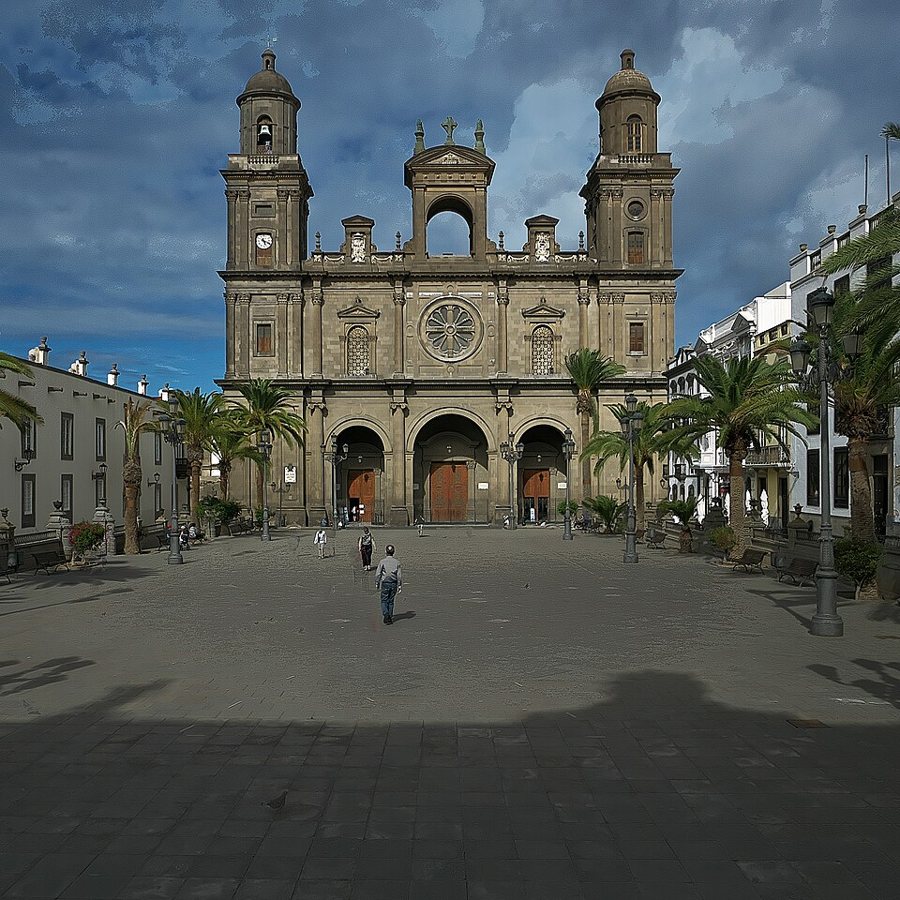
Santa Ana lets you read several centuries of city history from one square. The cathedral developed in stages: its first major phase began in 1497, and another started in the late eighteenth century. Do not look for one single style: the interior combines Gothic and Renaissance approaches, while the façade presents a Neoclassical image. First observe the whole from a distance, then individual details, distinguishing an exterior view from a complete visit to the church and associated spaces. Check conditions before entering and respect worship. Back in the square, compare religious architecture with the other buildings: this setting also represents institutions, meetings and daily life at the historic heart of Las Palmas de Gran Canaria.
Explanation source ↗2 / 8 · LAS PALMAS DE GRAN CANARIA
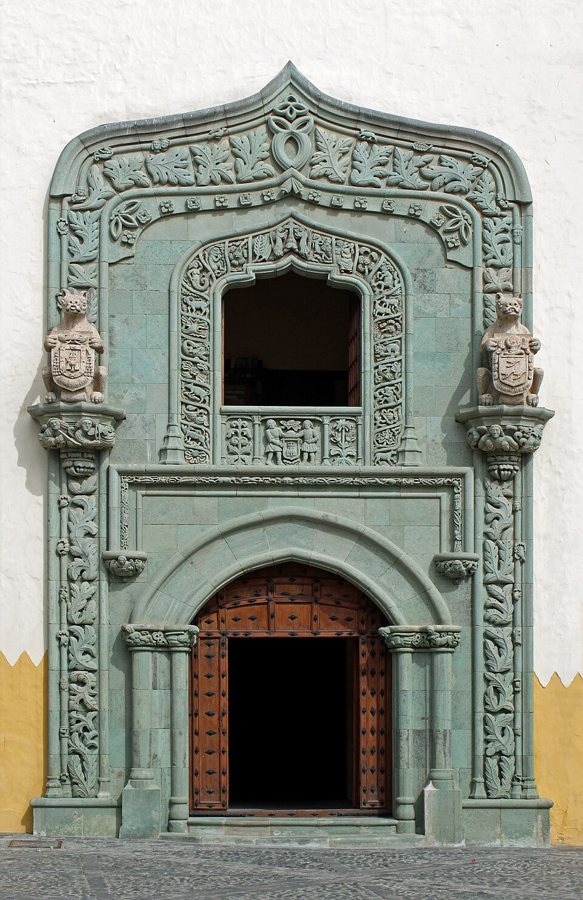
Casa de Colón invites you to consider the Canary Islands within Atlantic history. Its collections and library concern America and links between the two shores, while the building reveals how a museum's image is constructed too. One telling detail lies in the entrances: the Calle Colón doorway preserves a sixteenth-century Gothic façade, while other entrances were designed for the museum's inauguration. Not everything that looks old therefore belongs to the same moment. Observe courtyards, stone and proportions before exploring the rooms. The name should not suggest a house preserved exactly as Columbus inhabited it. Consult the museum's interpretation and visiting arrangements, allowing time to understand connections, objects and historical context rather than simply collecting photographs.
Explanation source ↗3 / 8 · LAS PALMAS DE GRAN CANARIA
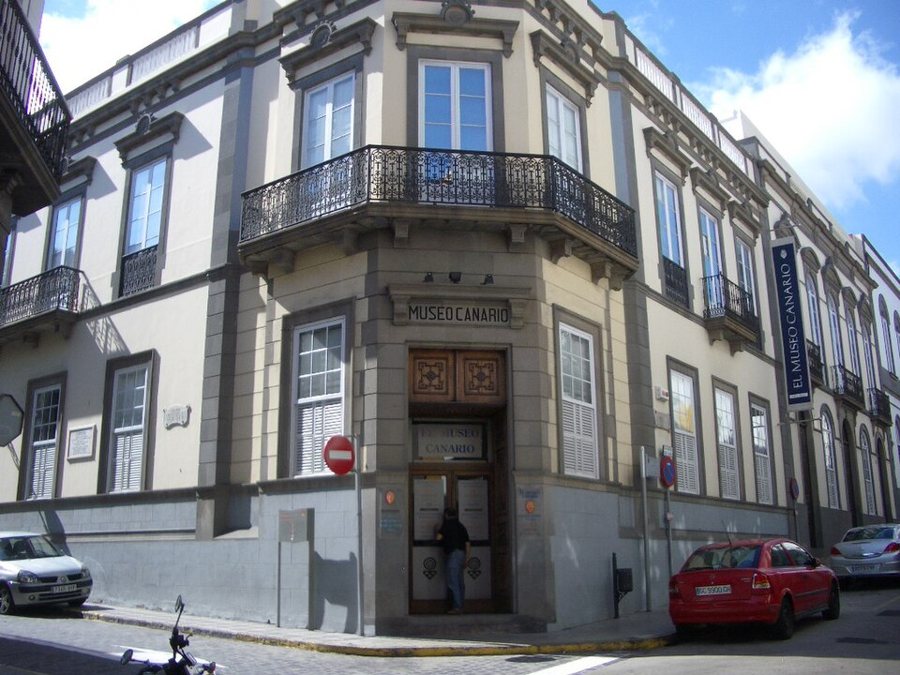
El Museo Canario turns attention towards Gran Canaria's populations before the conquest. Founded in 1879 by a scientific society whose promoters included Gregorio Chil y Naranjo, it is more than an exhibition: it also preserves an important documentation centre concerning the islands. This dual role recalls that understanding the past means gathering evidence, studying it and revising interpretations. Explore the rooms with the island's early inhabitants in mind, rather than reducing cultures and people to curious objects. Archaeology reveals changes in settlements, economy and ways of inhabiting the land, not an unchanging society. Allow time for interpretation and check admission arrangements before setting out. The visit complements the colonial history encountered in Vegueta's streets and encourages a broader view of the island.
Explanation source ↗4 / 8 · LAS PALMAS DE GRAN CANARIA
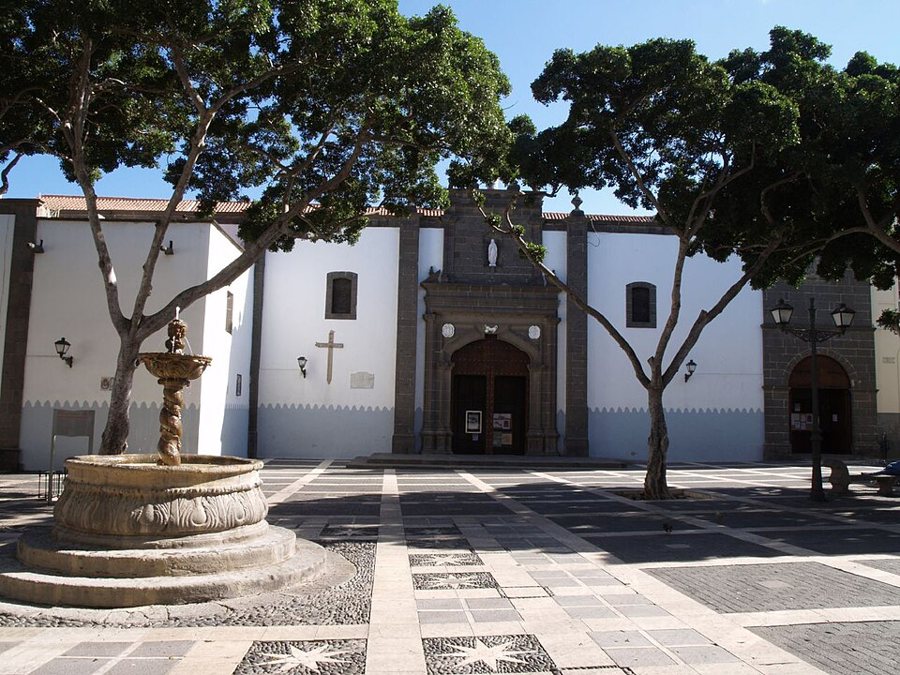
Vegueta preserves the memory of the city's founding nucleus. In 1478, during the Castilian conquest of Gran Canaria, the settlement of Real de Las Tres Palmas was established beside the Guiniguada. San Antonio Abad square helps locate that history, although buildings and streets have changed since then. This is not an untouched fifteenth-century setting, but a neighbourhood built and transformed across generations. Notice plot sizes, façades and the way one square leads into another. Colonial foundation was not the beginning of human history on the island: visiting El Museo Canario helps complete that perspective. Walk respectfully through an area where homes, work and everyday life continue, looking beyond the idea of a picturesque backdrop for the visitor.
Explanation source ↗5 / 8 · LAS PALMAS DE GRAN CANARIA
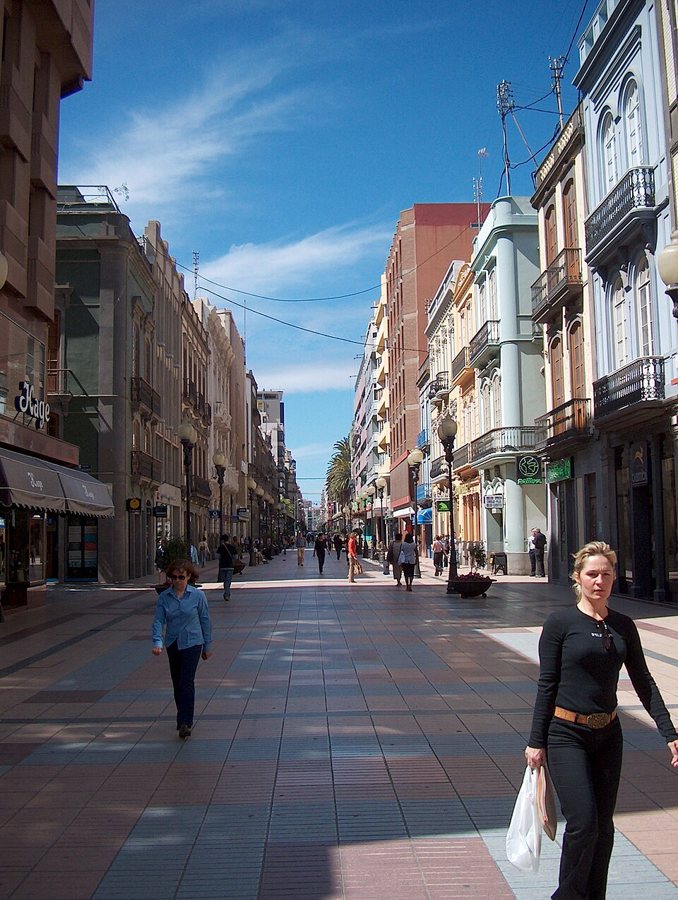
Triana offers another reading of the historic city: trade, theatres and architecture looking towards more recent periods. Designated a historic ensemble in 1993, the neighbourhood retains a strong shopping identity along Calle Mayor. Do not walk looking only at shop windows: look up for Modernist façades, balconies and window rhythms. The Literary Cabinet surroundings and Cairasco and Hurtado de Mendoza squares extend the visit beyond one street. The Guiniguada separated Triana from Vegueta; that boundary is less obvious today because it lies beneath the road. The transformation helps explain how urban landscapes can disappear too. Choose a manageable stretch and allow a pause, rather than turning the whole area into a checklist of purchases or photographs along the way.
Explanation source ↗6 / 8 · LAS PALMAS DE GRAN CANARIA
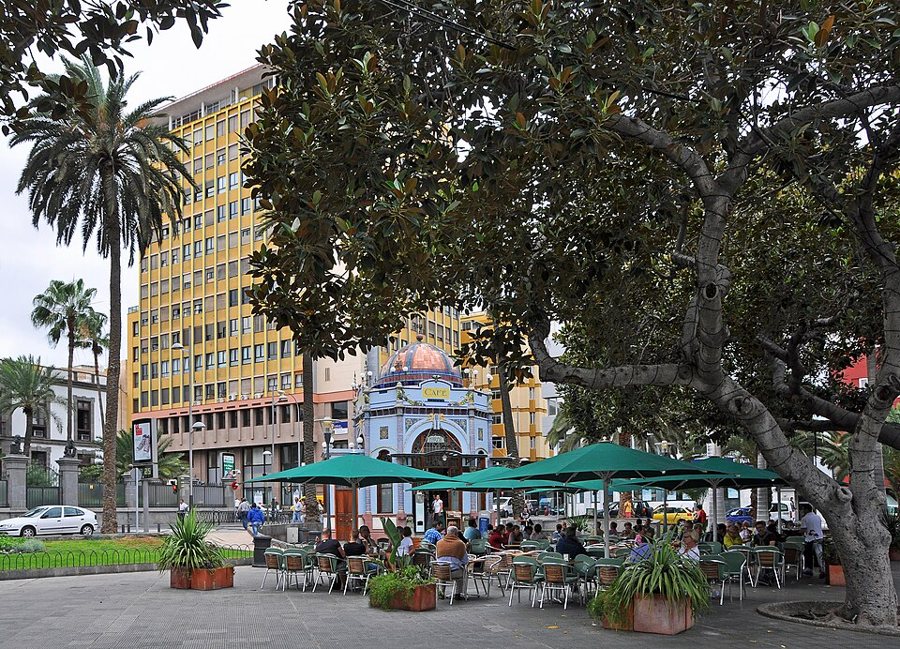
San Telmo changes the pace at the end of a Triana walk. Among trees and routes across the park stands the Modernist kiosk designed in 1923 by Rafael Massanet y Faus, a detail that introduces the architectural tastes of its period. The park also contains a music pavilion and San Telmo chapel, linking rest, culture and religious memory within an everyday space. Do not confuse the different kiosks or assume an office or café will be open. A major transport point lies nearby and can help organise your transfer towards Las Canteras, but check the particular stop required. Before boarding a bus, take a few minutes to see the park as a lived place rather than simply an interchange.
Explanation source ↗7 / 8 · LAS PALMAS DE GRAN CANARIA
Separate outing beyond the central walk
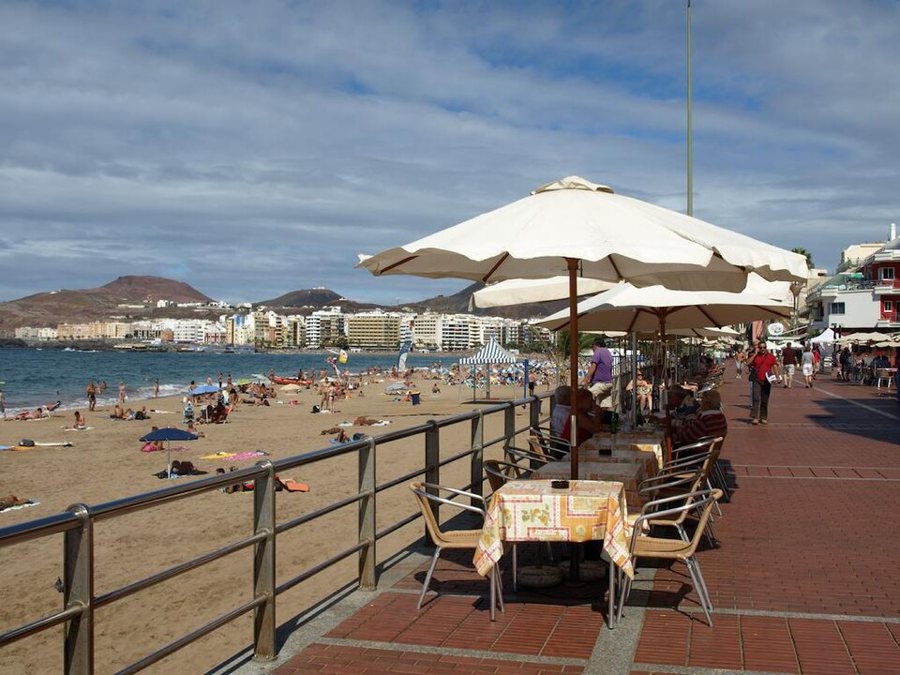
Las Canteras replaces the historic centre with a city open to the Atlantic. La Barra, the natural reef running alongside much of the beach, shapes the landscape and marine habitats; it is neither an artificial swimming pool nor a permanent guarantee of safety. Notice how the tide changes the view and how promenade, sand and marine life coexist. This area is separate from Vegueta and Triana: arrange a bus journey and your own return. Walking the entire beach is not necessary to enjoy it. Choose a stretch according to time and energy, respecting signs, species and protected spaces. If swimming, follow current safety instructions. The perspective changes again towards La Cícer and the Auditorium, where sea conditions may differ from other sections.
Explanation source ↗8 / 8 · LAS PALMAS DE GRAN CANARIA
Separate outing beyond the central walk
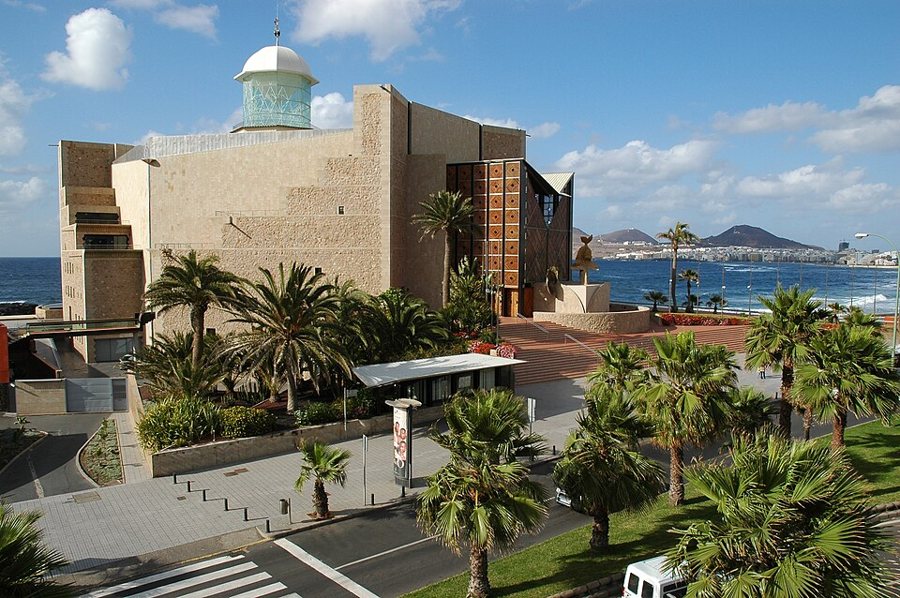
The Alfredo Kraus Auditorium marks the La Cícer end of the beach with a silhouette in dialogue with the ocean. Designed by Óscar Tusquets and inaugurated on 5 December 1997, it took the name of the Gran Canaria tenor and became a cultural landmark. Its presence recalls that Las Palmas de Gran Canaria is not explained only through colonial heritage or beaches: the city also builds contemporary spaces for music and gathering. Observe the building from the promenade and its relationship with the sea before looking for an entrance. Viewing the exterior differs from attending a concert or guided visit, so check programmes and conditions. Arrive from Las Canteras or by bus, allowing for distance and return travel rather than adding it as a brief Vegueta detour.
Explanation source ↗Montesdeoca 10, Las Palmas de Gran Canaria
A Vegueta option combining Canarian tradition and contemporary cooking. Check menus, reservations and allergens directly; suitable for the historic-centre day.
Official website ↗ · Walking directions ↗Domingo J. Navarro 16, esquina Viera y Clavijo 28, Las Palmas de Gran Canaria
A tavern-restaurant in Triana's pedestrian streets, offering sharing dishes. Select this particular venue, as the group operates several establishments, and check availability.
Official website ↗ · Walking directions ↗Paseo de Las Canteras, La Puntilla, Las Palmas de Gran Canaria
A seaside restaurant at La Puntilla, the opposite end of Las Canteras from the Auditorium. Allow for the distance and confirm tables and menus directly.
Official website ↗ · Walking directions ↗Editorial selection based on the venues’ own websites, not a personal dining review or sponsorship. Check opening, menus, allergens and prices before visiting.
Check final prices, conditions, tour language and availability on Civitatis. Optional paid activities; affiliate links may earn a commission.
See activities in Las Palmas de Gran Canaria ↗Gran Canaria Airport is outside the city. Consult Global for interurban and airport journeys, and Guaguas Municipales for city routes. Vegueta and Triana link on foot; Las Canteras and the Auditorium lie in another sector, so plan buses and your return. Check current stops, destinations, timetables and fares rather than assuming a fixed route. No railway connection is included in this itinerary. Coordinates are approximate and accessibility has not been audited.
Emergencies: 112. For non-urgent medical assistance, consult local services.