Two hours
Two hours: Royal Walls, moat and África Square, then walk to the House of Dragons. Plan exteriors; Hacho and swimming require separate blocks.

WHAT TO SEE AND HOW TO PLAN
Ceuta between two bays: walls, squares and architecture beside the sea. The centre makes a compact walk; plan Monte Hacho separately. Interiors, water leisure facilities and boat trips have their own conditions and are not automatically included in this route.
Durations are indicative: queues and all indoor visits are not included.
Two hours: Royal Walls, moat and África Square, then walk to the House of Dragons. Plan exteriors; Hacho and swimming require separate blocks.
One day: walls and África Square in the morning, one confirmed interior and lunch. Dragons and seafront later; choose boat or park according to schedules rather than rushing both.
Two days: monumental centre first; Hacho and Desnarigado second with transport and museum confirmed. Morocco is a separate trip with its own border and document requirements; never assume it is included or feasible without checks.
With children: Dragons, squares and a short walls stop. Check ages and rules before booking boat or pools; carry water and sun protection. Hacho requires a separate journey.
Rain: confirm Late Roman Basilica and exhibition galleries before leaving. Keep outdoor links short. Boats also depend on wind and sea conditions and are not a guaranteed indoor substitute.
OpenStreetMap loads on request. Markers are indicative, not audited entrances. Use links for street directions.
Audio uses your device voice and depends on your browser. The full text is always available to read.
1 / 8 · CEUTA
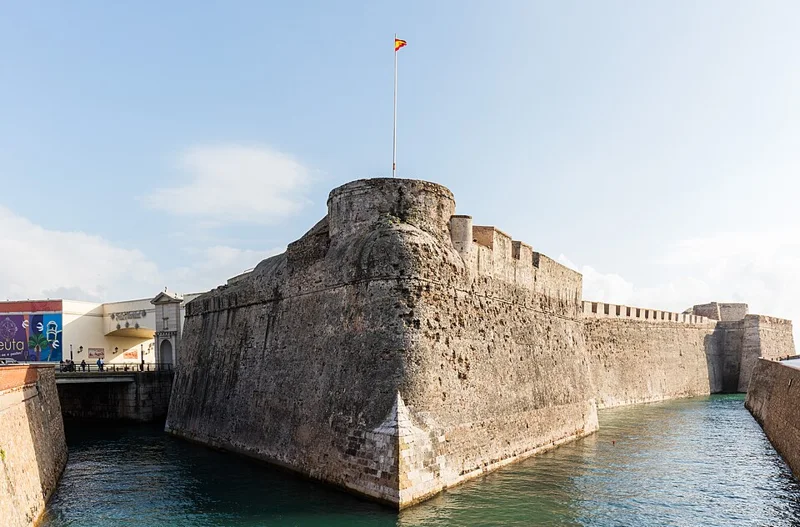
The Royal Walls tell the story of a city defending a narrow passage between two seas. Study bastions, bridges and successive defensive lines: their scale is clearer from several viewpoints than one frontal photograph. Then check exhibition spaces and the Caliphal Gate, a separate visit worth arranging ahead.
Explanation source ↗2 / 8 · CEUTA
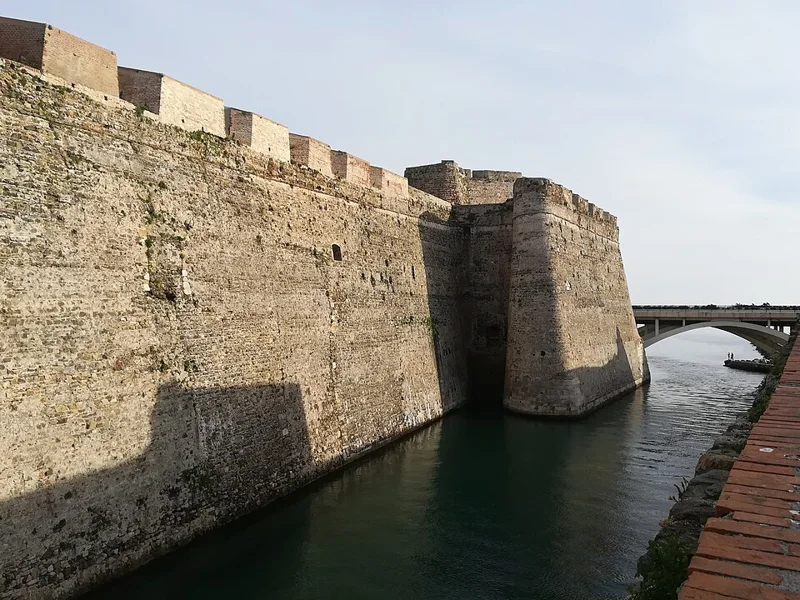
The navigable moat is one of Ceuta’s most distinctive sights: water between high stone walls, linking the two bays. Explore views from bridges and look for reflected fortifications. A boat trip reveals another scale of the complex; check boarding location and sea conditions when choosing a departure.
Explanation source ↗3 / 8 · CEUTA
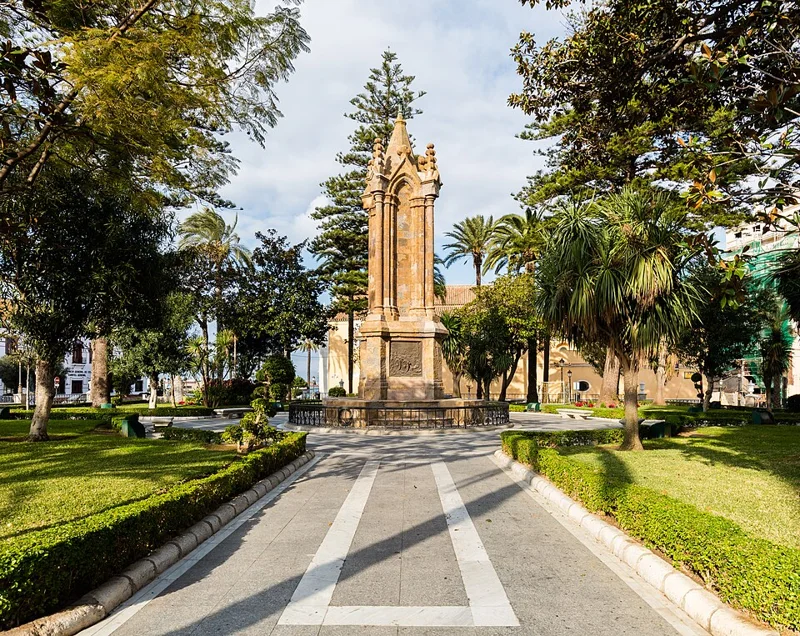
Cathedral, sanctuary and civic palace meet around África Square, a compact introduction to monumental Ceuta. Compare their façades and the way each building frames one side. The square makes a useful resting and planning stop; visit cathedral and sanctuary around their worship schedules.
Explanation source ↗4 / 8 · CEUTA
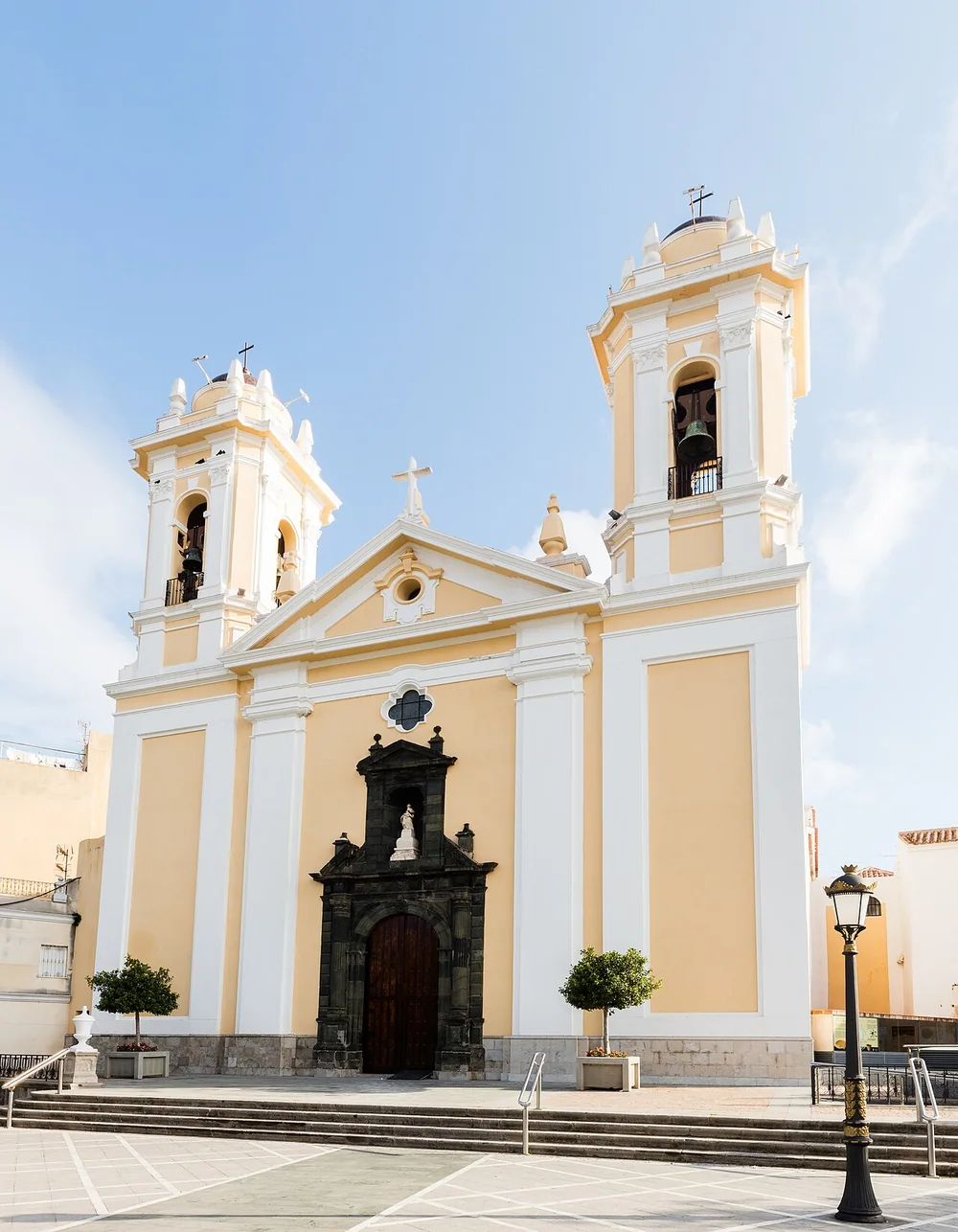
The cathedral belongs to the África Square ensemble and is recognisable by its symmetrical façade. View it from the open square before approaching its details. A quiet visit connects architecture with religious history; check cultural access and museum opening when planning the interior.
Explanation source ↗5 / 8 · CEUTA
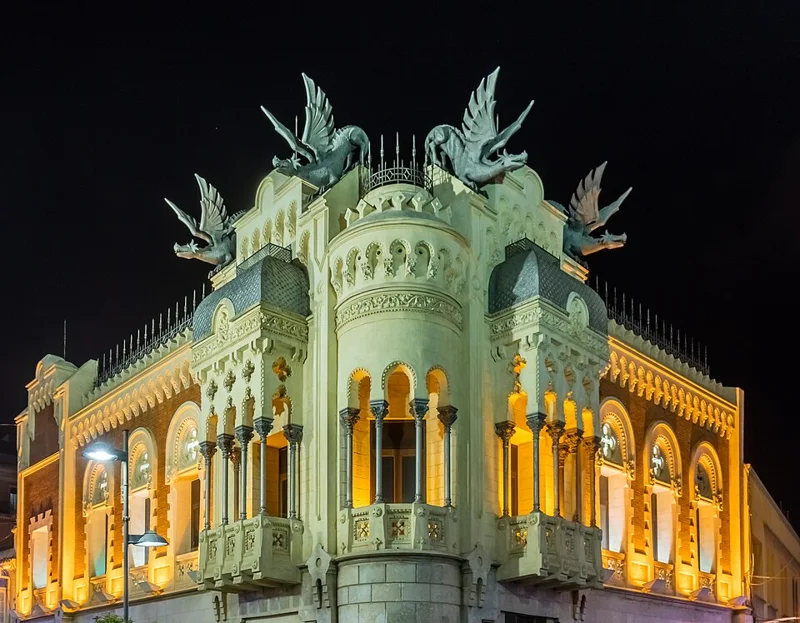
Rooftop dragons make this corner one of the centre’s most playful stops. Today’s figures recreate those that made the historicist building famous. Study the skyline first, then windows and façade details. This exterior visit is particularly enjoyable with children, who can each choose a favourite dragon.
Explanation source ↗6 / 8 · CEUTA
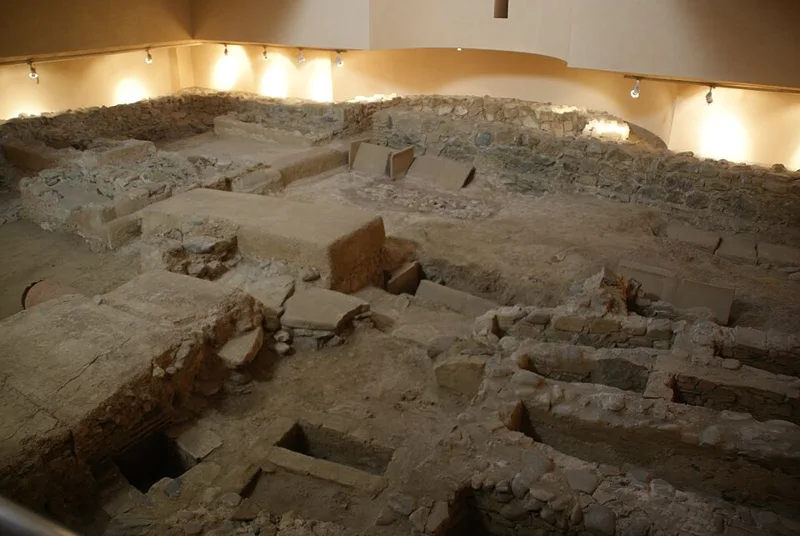
The Late Roman Basilica takes you from present-day streets into Ceuta’s archaeological past. Surviving remains and museum interpretation help imagine another city. Read the panels and compare preserved structures with their interpretation. It makes a worthwhile indoor addition to the central walk when opening hours fit.
Explanation source ↗7 / 8 · CEUTA
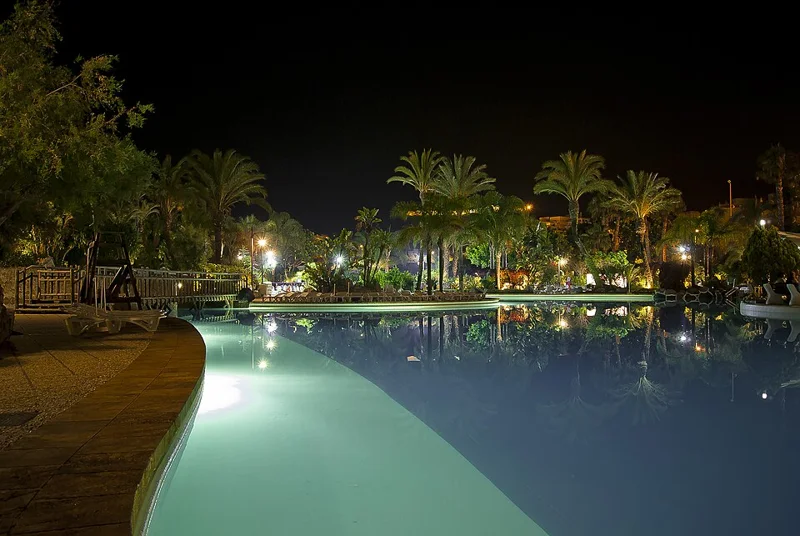
The Maritime Park exchanges defensive stone for waterside leisure. Combine the seafront with a pool day during the operating season, allowing time to rest and eat. Check season and admission before planning the day, as the promenade and swimming facilities have different uses.
Explanation source ↗8 / 8 · CEUTA
Separate outing beyond the central walk
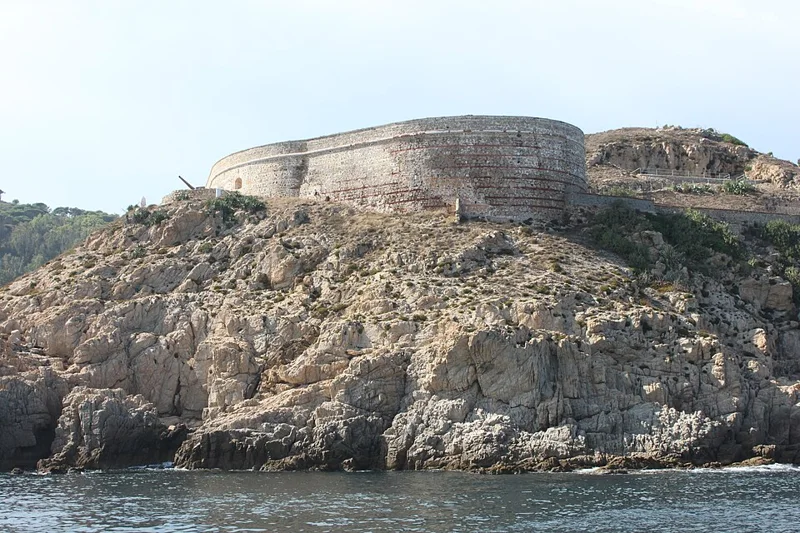
Desnarigado adds coastal scenery to Ceuta’s defensive history. The fort lies around Monte Hacho and deserves a separate outing from the centre. Combine exterior views with the museum when open and allow time for the coastline. Arrange your return before climbing, especially when connecting with a ferry.
Explanation source ↗Carretera del Monte Hacho, s/n, Ceuta
An option to combine with the Hacho outing, arranging return transport first. Check menus, availability and dietary needs directly; it is not an immediate stop on the central walk.
Official website ↗ · Walking directions ↗Plaza de África, Ceuta
Mediterranean cooking beside the monumental quarter. Request a table and wait for confirmation; submitting a form does not guarantee a booking. Check menus and allergens for your date.
Official website ↗ · Walking directions ↗Editorial selection based on the venues’ own websites, not a personal dining review or sponsorship. Check opening, menus, allergens and prices before visiting.
Optional activities separate from the independent route. Check dates, language, meeting point, accessibility and inclusions. Listings consulted advertise Spanish; translating this guide does not change the service language. Free tours are tips based, not cost-free visits. Boats depend on sea conditions. Affiliate links may earn us a commission if you book.
Check dates and conditions ↗Check the Algeciras–Ceuta ferry operator, terminal and boarding lead time; wind can affect crossings. The heliport is a separate alternative with its own operation and availability. Ceuta has no railway station or metro. Walk the centre; arrange local transport and return for Hacho or distant beaches. Verify travel documents with official sources and your carrier. Morocco crossings have separate border requirements and are outside this route. Do not book tight connections based only on approximate times.
Emergencies: 112. For non-urgent medical assistance, consult local services.