Two hours
Around two hours: San Juan de Dios, El Pópulo and theatre surroundings subject to access, cathedral exterior, Central Market and Torre Tavira exterior. Excludes full interior visits and the La Caleta extension.

WHAT TO SEE AND HOW TO PLAN
Discover Cádiz on foot through squares, narrow streets, markets and glimpses of sea around a corner. This guide links the historic centre with its gardens and La Caleta. The short route stays central; the coastal extension needs more time. Coordinates are approximate and accessibility has not been audited.
Durations are indicative: queues and all indoor visits are not included.
Around two hours: San Juan de Dios, El Pópulo and theatre surroundings subject to access, cathedral exterior, Central Market and Torre Tavira exterior. Excludes full interior visits and the La Caleta extension.
Morning in the centre, cathedral and market. After lunch, choose a Tavira visit if available; allow time to continue to Genovés, Santa Catalina and La Caleta. Adapt to heat, wind and opening arrangements.
Day one: centre and one chosen interior visit. Day two: gardens, fortress and La Caleta at an easy pace. Crossing to El Puerto or Rota is a separate outing requiring checked transport and return arrangements.
Shorten the route to San Juan de Dios and the cathedral area, or choose Genovés and La Caleta as a separate walk. Include breaks, water and shade. Check Tavira's conditions before planning the climb.
Prioritise the cathedral or another interior with confirmed access and lunch in the centre. Check the theatre works notice; do not rely on it as guaranteed shelter. Reduce coastal and garden walks in bad weather.
OpenStreetMap loads on request. Markers are indicative, not audited entrances. Use links for street directions.
Audio uses your device voice and depends on your browser. The full text is always available to read.
1 / 8 · CÁDIZ
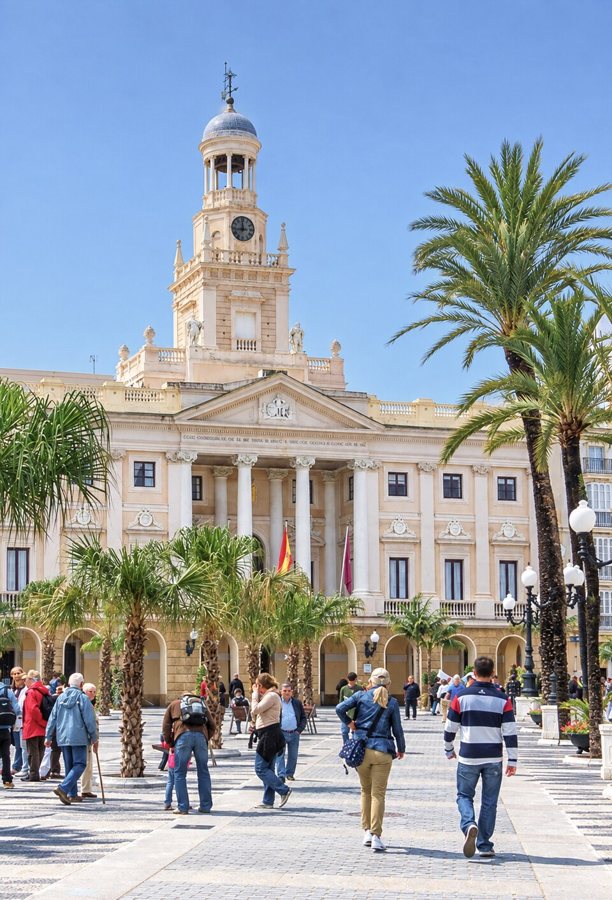
Plaza de San Juan de Dios acts as a reception room for the old town. Before entering the streets of El Pópulo, pause opposite the Town Hall and observe how façades and terraces organise this open space. The statue of Moret provides another landmark within the ensemble. From here, imagine a city connected to its harbour and the movement of people, even though today's walk invites a slower pace. Notice the transition between the broad square and the neighbouring streets: a few steps change the feeling of Cádiz. There is no need to enter a building to enjoy this first stop and find your bearings.
Explanation source ↗2 / 8 · CÁDIZ
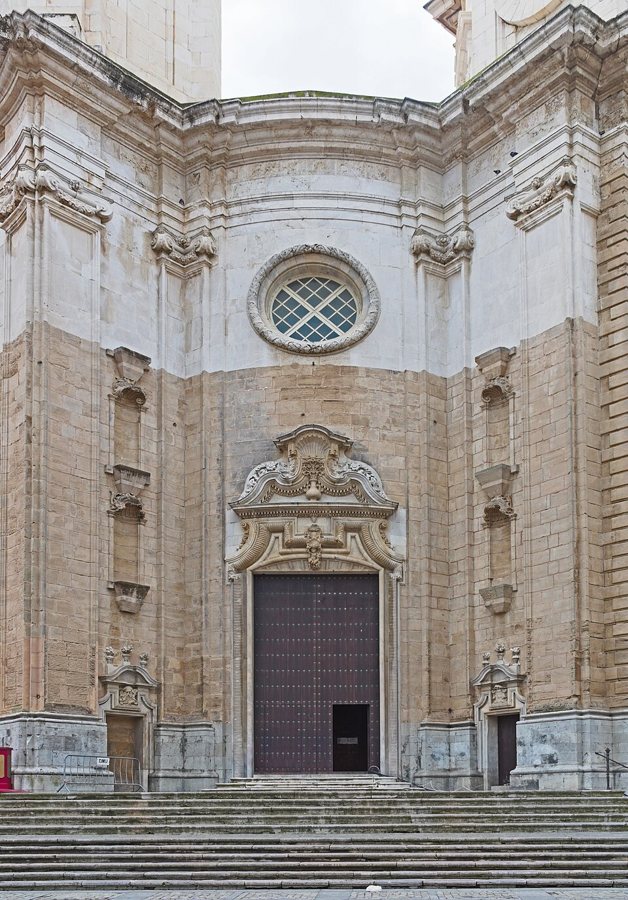
The cathedral tells the story of Cádiz growing through trade with the Americas. Construction began in 1722 following Vicente Acero's design, but continued across generations and brought together different architectural decisions. From the square, observe how the building occupies its space and how its volumes change as you approach the side streets. Do not confuse this cathedral with nearby Santa Cruz church, known as the Old Cathedral: they are separate places connected to the city's religious history. If you wish to enter or climb a tower, check the relevant admission arrangements separately. During worship, respect the quiet and those who come to pray.
Explanation source ↗3 / 8 · CÁDIZ
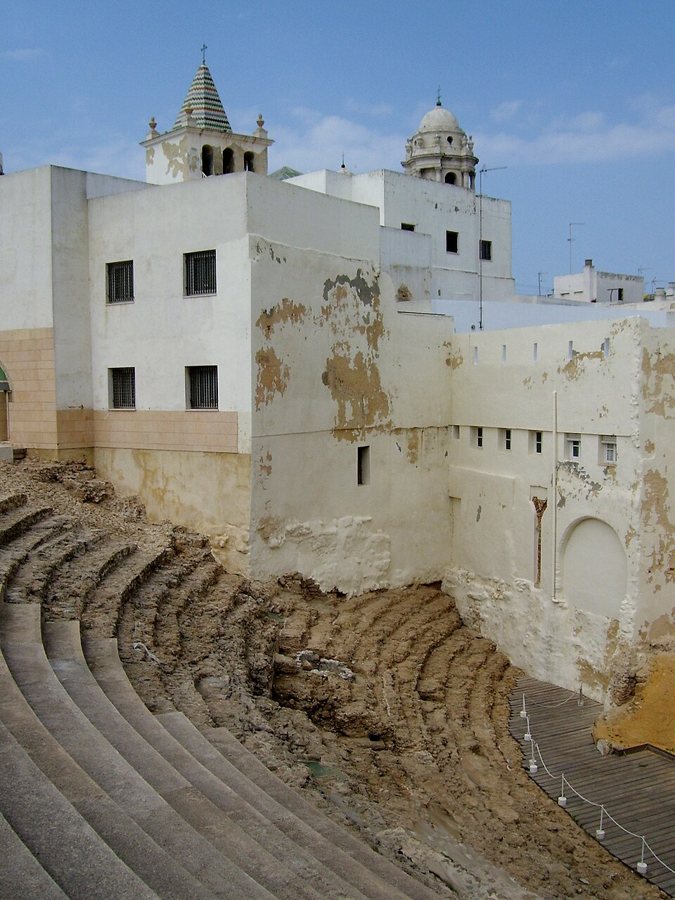
Among the streets of El Pópulo, the Roman Theatre recalls how today's city rests upon earlier ones. The monument introduces Gades and a performance space later absorbed into a very different urban fabric. Its interest lies not only in its age but also in understanding how much heritage may remain beneath buildings and streets. There is an important limitation: the official information consulted announces that expansion works at the interpretation centre prevent access to the archaeological area. Check the current notice before setting out and do not rely on admission without confirmation. Keep this stop as historical context for the neighbourhood while respecting closures and signs.
Explanation source ↗4 / 8 · CÁDIZ
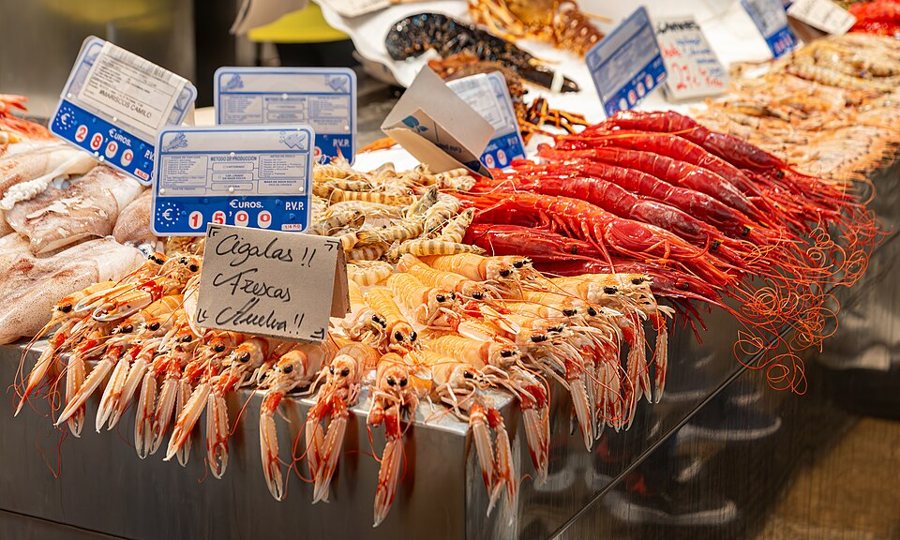
The Central Market introduces Cádiz through its ingredients. Its architectural origins are connected to Torcuato Benjumeda's neoclassical design and the arcaded enclosure of Plaza de la Libertad. Opened in 1838 and altered through successive periods, it still connects the city with its food and traders. Before approaching the stalls, notice how the space combines movement with places to pause. Fish, vegetables and other produce reveal a food culture that begins long before the restaurant table. Activity varies according to the day and time, so check opening arrangements. Avoid blocking aisles and ask before photographing traders or customers at close range.
Explanation source ↗5 / 8 · CÁDIZ
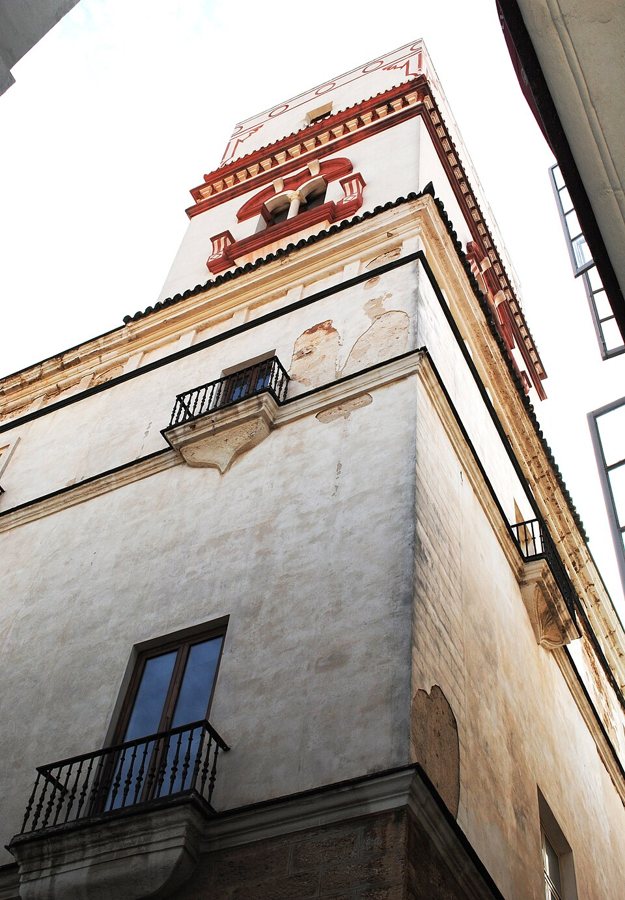
Torre Tavira exchanges the horizontal street walk for a view from above. Part of the palace of the Marquises of Recaño, it recalls the importance of lookout towers in a city connected to maritime traffic. Its Camera Obscura uses an optical system to display outdoor images inside a darkened room: this is not a recorded film, but another way to observe the city. Before booking, check how the visit operates, the climb involved and current conditions. If you do not enter, pause nearby and look for other towers among the rooftops. Cádiz can also be understood by looking above its narrow streets.
Explanation source ↗6 / 8 · CÁDIZ
Separate outing beyond the central walk
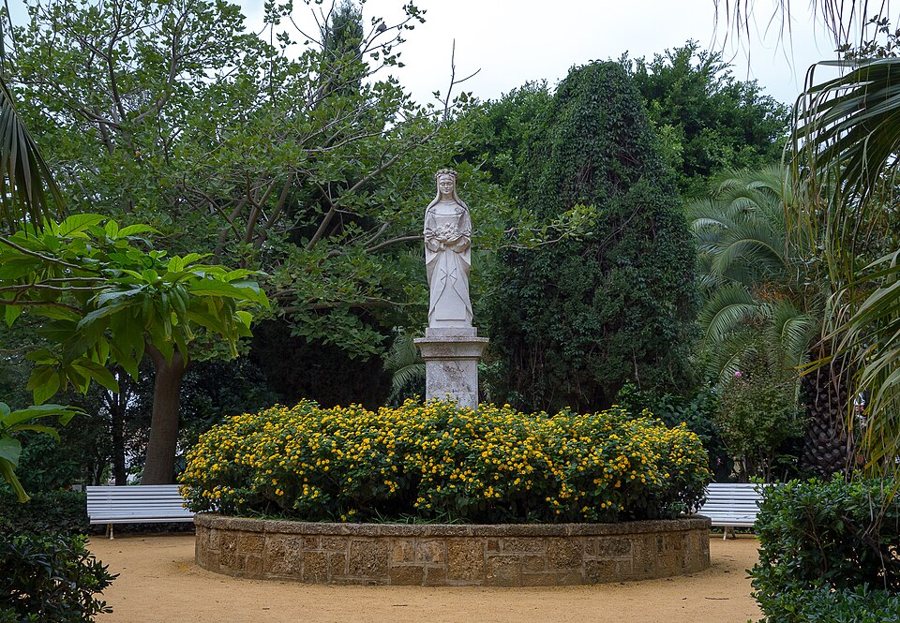
Genovés Park replaces the stone of the streets with a collection of plant forms. It retains the character of a nineteenth-century romantic garden, with an orderly central promenade and more irregular paths to the sides. Notice the contrast: walking through a garden also means choosing perspectives. Fountains, trees, shrubs and sculptures create somewhere to rest without leaving the historic town. You do not need to identify every species to enjoy the setting; pause and observe shapes, sizes and textures. Add this extension when you have time to continue towards La Caleta. Check access, which may change with weather, and respect planted areas.
Explanation source ↗7 / 8 · CÁDIZ
Separate outing beyond the central walk
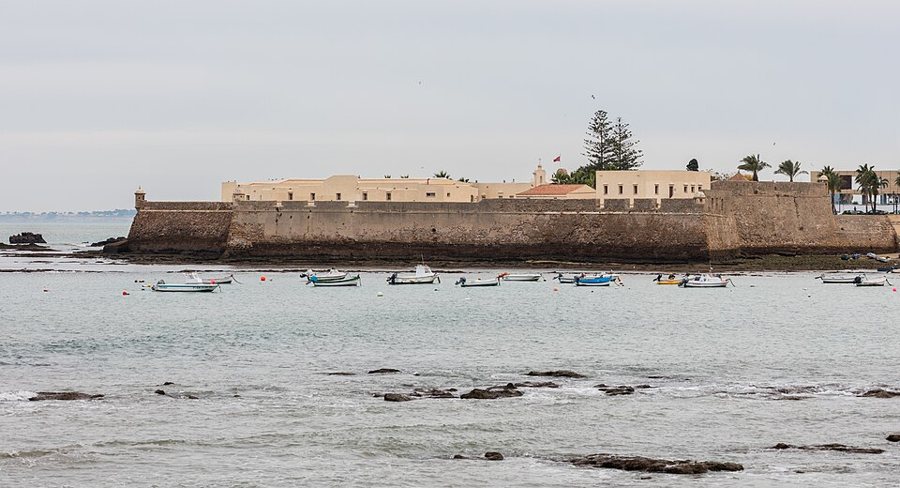
At one end of La Caleta, Santa Catalina recalls that Cádiz also needed protection from the sea. The defensive project followed the Anglo-Dutch attack of 1596 and is associated with engineer Cristóbal de Rojas. Observe the angles of the bastions and the fortress's position beside the water: these are not simply decorative choices. The enclosure now accommodates cultural uses and exhibitions, but availability depends on programming. Check conditions before entering and do not assume every area will be accessible. From outside, you can understand its relationship with the beach and continue the coastal walk without entering closed spaces or crossing barriers.
Explanation source ↗8 / 8 · CÁDIZ
Separate outing beyond the central walk
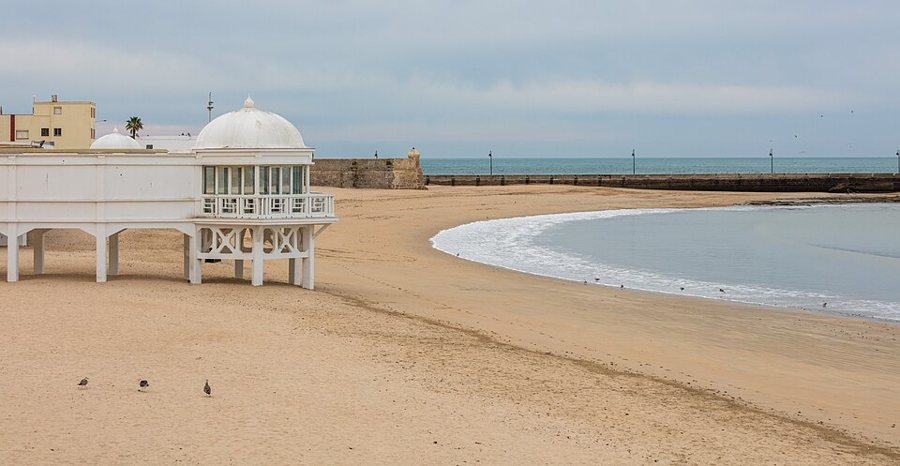
La Caleta brings many images of Cádiz together in a small beach: boats, historic defences, neighbourhood life and sea. Between Santa Catalina and San Sebastián castles, this setting has a long relationship with navigation and underwater archaeology. Notice how the space changes with the tide; the same view may look different when you return. The former La Palma bathing establishment adds another recognisable silhouette. Swimming is not necessary to enjoy this stop: finish the walk by watching the water from permitted areas. If you choose to enter the sea, follow signs and current safety conditions. Do not extend the route onto closed breakwaters or restricted approaches.
Explanation source ↗San Félix 15, Cádiz
Cádiz cooking and seafood near La Caleta. Distinguish the restaurant from its bar when checking availability. The operator website may fail to load; the address is confirmed by Cádiz Tourism.
Official website ↗ · Walking directions ↗Alameda Clara Campoamor 22, Cádiz
A family restaurant with Mediterranean roots and seasonal produce by the Alameda. Check the menu and book directly; website access may be intermittent.
Official website ↗ · Walking directions ↗Feduchy 3, Cádiz
Creative and fusion tapas in the old town. A central option for a food break; check the current menu, reservations and allergens directly.
Official website ↗ · Walking directions ↗Editorial selection based on the venues’ own websites, not a personal dining review or sponsorship. Check opening, menus, allergens and prices before visiting.
Check final prices, tour language and availability on Civitatis. Optional paid activities; affiliate links may earn a commission.
See activities in Cádiz ↗The railway station brings you close to the historic centre; check connections with Renfe. Jerez Airport is in another municipality: plan your connection to Cádiz using Aena and Renfe information. The Bay of Cádiz Transport Consortium lists buses and maritime services to El Puerto de Santa María and Rota, subject to sea conditions. Check timetables and your return before leaving. The central route is on foot; markers are approximate and accessibility has not been audited.
Emergencies: 112. For non-urgent medical assistance, consult local services.