
Plaza de España
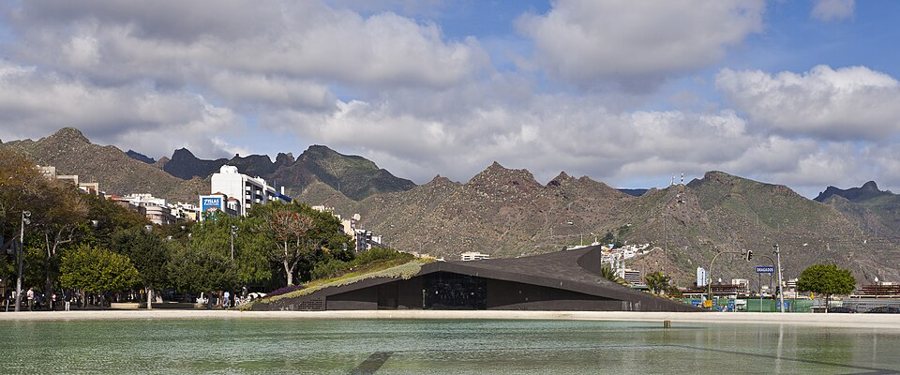
Plaza de España reveals Santa Cruz’s transformation from a town protected by fortifications into a capital opening towards its port. The square began taking shape in 1929 after San Cristóbal Castle disappeared. The fortress was not completely erased: remains are displayed below the square, while Calle del Castillo preserves its name. Compare this buried history with today’s broad space, conceived as a monumental arrival point for travellers reaching the harbour. The island government building and surrounding façades reinforce its civic role. There is no single historical period here: defence, commerce and institutional power have occupied the same waterfront in succession. Starting here helps explain why the sea has organised the city’s shape, connections and public identity over time.
Explanation source ↗Sources checked on 17 October 2026. Opening and access may change. The walk does not include admission; allow extra time for interiors. Routes have not been audited for accessibility.